ABOUT US
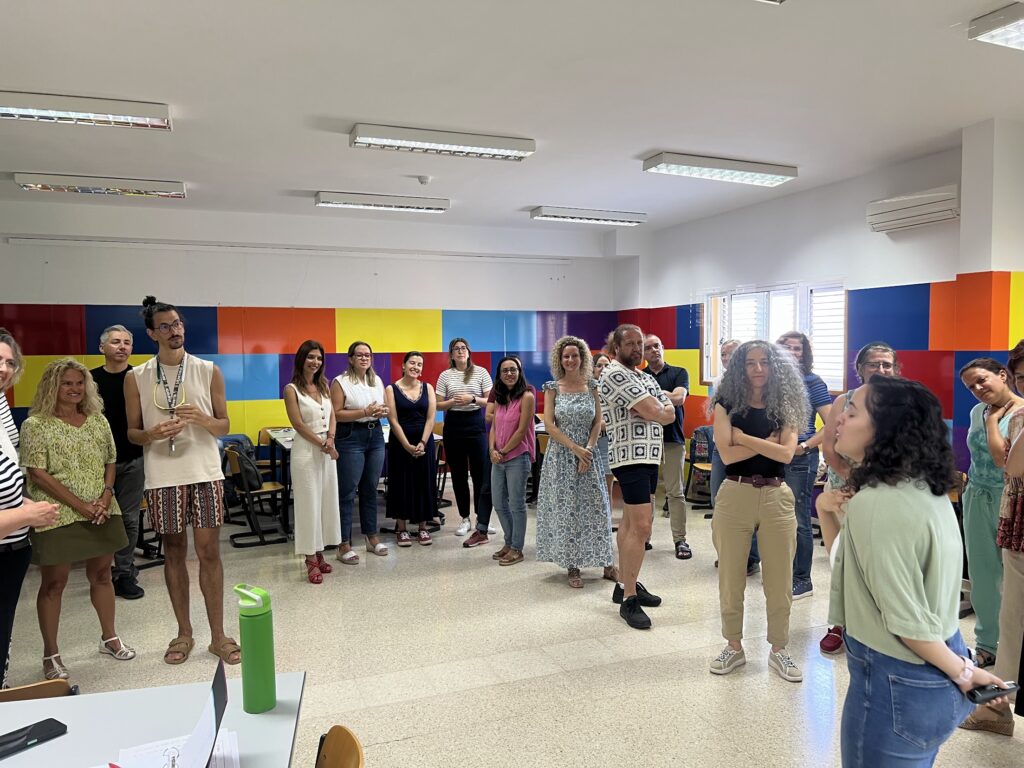
EOI MASPALOMAS - Escuela Oficial de Idiomas de Maspalomas
EOI Maspalomas is a public body dedicated to the teaching and certification of 5 modern languages. It belongs to a network of 23 schools in the Canary Islands, committed to providing language training for citizens, meeting their linguistic needs as social agents, fostering communication and promoting linguistic and cultural diversity as key values.
Around 850 students are attending structured courses in five languages (English, French, Italian, German and Spanish for foreigners), designed in accordance with the Common European Framework of Reference for Languages. Students attend a 2-hour teaching session twice a week. Classes are held in shifts (9-21 hours Mon. to Thu.). The academic year starts in September and finishes in May. Our institution also facilitates the official certification of communicative competences. These exams take place during the month of June. We currently have 38 different language/level groups managed by 3 administrative staff people and 13 language teachers.
We have participated in diverse European initiatives and coordinated the first National EOI Consortium (KA104) on Linguistic Mediation. Thanks to our long international strategy we won a National Erasmus+ Quality Award. We often receive requests of collaboration, mainly to host international mobilities, but also asking for suggestions and tips. This means we are constantly mentoring other institutions and sharing our approach to language teaching and international experience, contributing to reinforce the capacities of smaller organisations both locally and nationally (sometimes as invited experts/ keynote speakers).
Our teaching staff have participated in various in-service training programmes and European courses. They have also opened their doors to many incoming mobilities. Now they wish to implement peer observations, also among themselves, in order to make the most of future opportunities. The realisation of this project will change their perspectives and competences.
Our socio-economic environment is characterised by diversity. Our students are very heterogeneous groups of European adults, with many foreign residents, representing all ages and professions. There are some university and advanced vocational students, professionals (teachers, nurses, doctors, police officers, military personnel, secretaries, shop assistants, tourism workers), many housewives, unemployed, retired and expats. We have to cope with cultural, age, social and educational difficulties; but those differences are a competitive advantage, and moreover we can rely on multiculturalism – which raises motivation amongst learners. The general international composition of the classes, including people with different cultural and professional backgrounds, represents an important asset of the school, because it allows mutual enrichment among learners (sharing of know-how, language and life experiences, discussing different visions and perspectives).
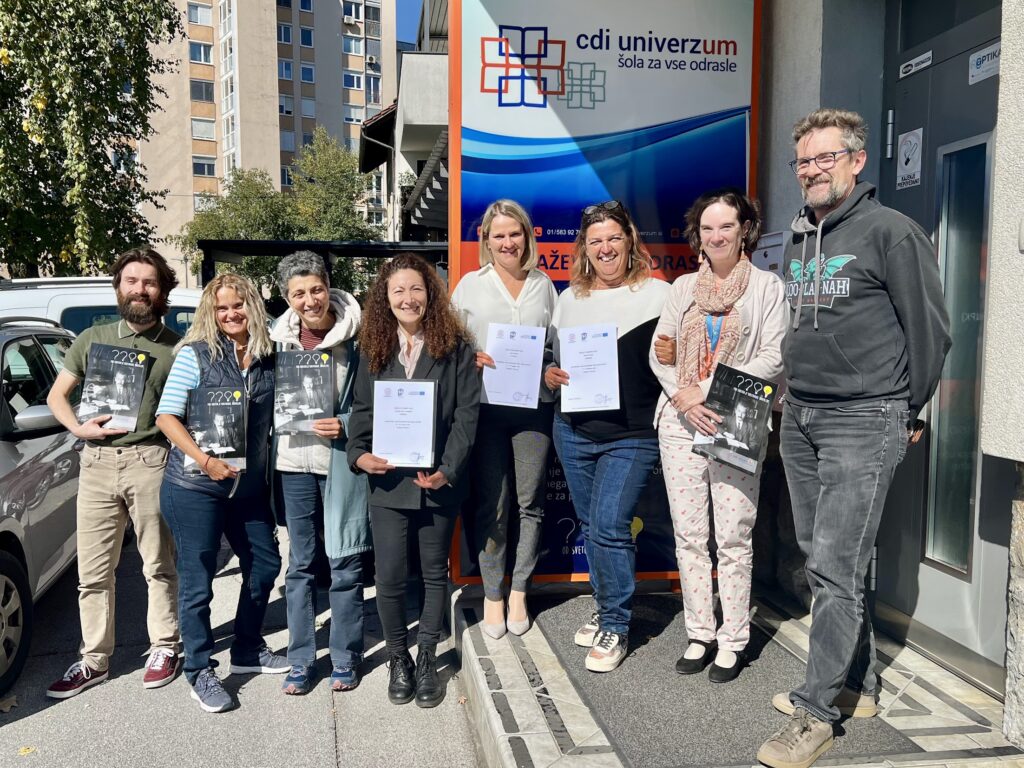
CDI UNIVERZUM - Center za dopisno izobrazevanje Univerzum
CDI Univerzum was established in 1957 by the Slovenian government. It is one of Slovenia’s most x institutions in the field of adult education, involved in different national and international projects. Its purpose is to bring the necessary educational skills closer to people of all ages and therefore fulfil their expectations of lifelong learning.
We employ 15 people and cooperate with more than 100 external experts. The offer of educational programs has widely developed over the years: formal, related to national curriculum (programs at secondary level) and informal. The majority of courses include some kind of practical work, giving students a chance to get an insight into their future jobs and establish contacts with employers. Our institution also offers Primary Education for Adults. Non-formal offer include short courses and workshops for employability, IT programs and languages: English, German, Italian, Russian, Spanish, French, as well as Slovene for foreigners.
Language courses, which represent a part of our activities, are mostly organised at the A2-B2 level. In the past years we have developed a sector for Slovene language: we organise Slovene courses for foreigners and national exams, either when there is enough demand or as preparation for taking the Slovenian language proficiency exams. During the duration of our project, vulnerable groups of adults will participate in free foreign language courses and also Slovenian language courses, financed by a national project. We also teach Slovenian as a foreign language also in our formal programs – elementary school for adults and secondary school programs.
Being educational providers we need to be constantly updated and trained. International activities in this field confirm our interest and expertise in exchanging good practices. We have already participated in several Erasmus+ projects from different fields, as our adult participants come from very different backgrounds.
Yearly we have 2000-2400 students: young people who dropped out of regular schools, middle aged unemployed, working people in need of retraining, pensioners. Students come from extremely diverse social backgrounds – ranging from well-off individuals to people from disadvantaged areas and immigrants. The number of foreigners in our programs is increasing and teachers encounter more adults with very low functional literacy or with low education. More and more foreigners are also coming from third countries, so teachers have to adapt significantly to content and teaching methods with which they do not have much experience (until recently most foreigners were migrants from the former Yugoslavian countries, with whom it was significantly easier to communicated and sometimes explained the material also in their language). We need to spread awareness among teachers about adapting their approach to the needs of participants, learning from good language teaching practices abroad.
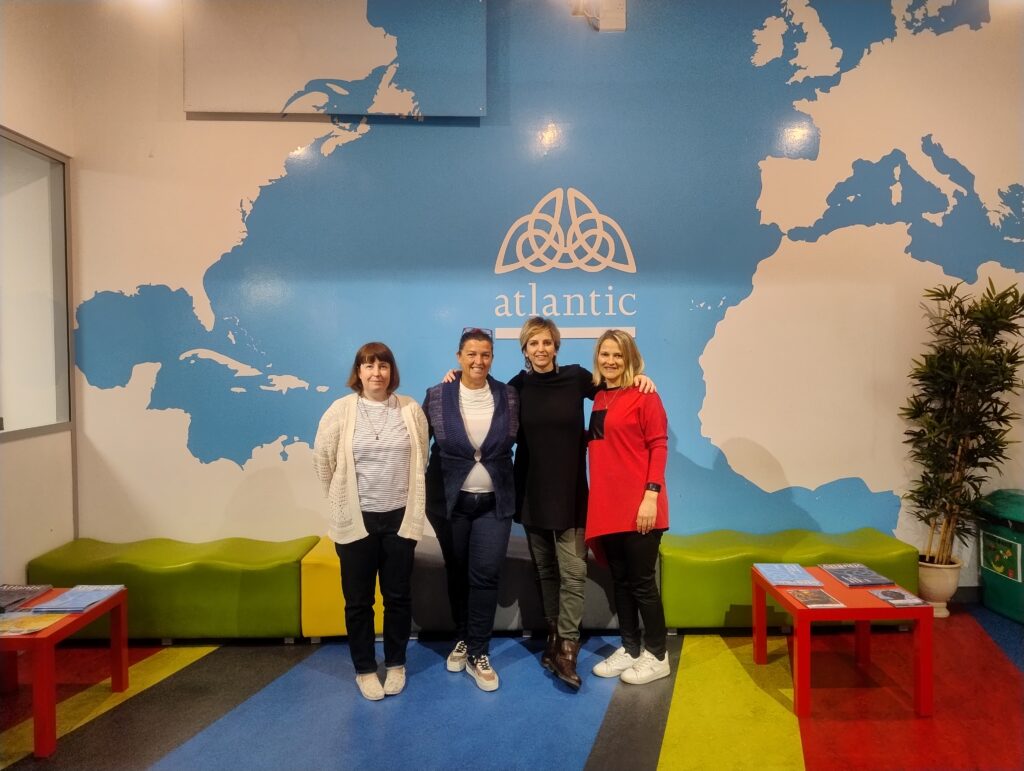
Atlantic centre of education
Atlantic centre of education was established in Galway in the West of Ireland in 1991. From its foundation Atlantic has combined high academic standards with a cultural programme designed to introduce students to the diversity and hospitality of Irish culture. Service excellence is our priority at Atlantic Centre if Education, and we apply this standard throughout our accredited Erasmus+ programmes, which include:
- General and Intensive English Language
- One to Ones English Language Lessons
- Academic Writing and Presentation Skills
- Lecture Effectively in English
- English for the Educational Workplace
- English for Professional Communication
- Team Building Skills
- Tools for Mindful Educators
- CLIL in Practice
- English Language + Irish Culture
Not only are these courses provided, Atlantic Centre of Education offers Job Shadowing courses. This course is designed to help language teachers to develop their skills by observing a range of methodologies in action. Participants work with an Atlantic Senior Teacher Trainer and engage with other teachers from all over Europe. This is a prime example of Atlantic’s ethos to foster a collaborative cross-cultural learning environment, which is found in any of the courses available.
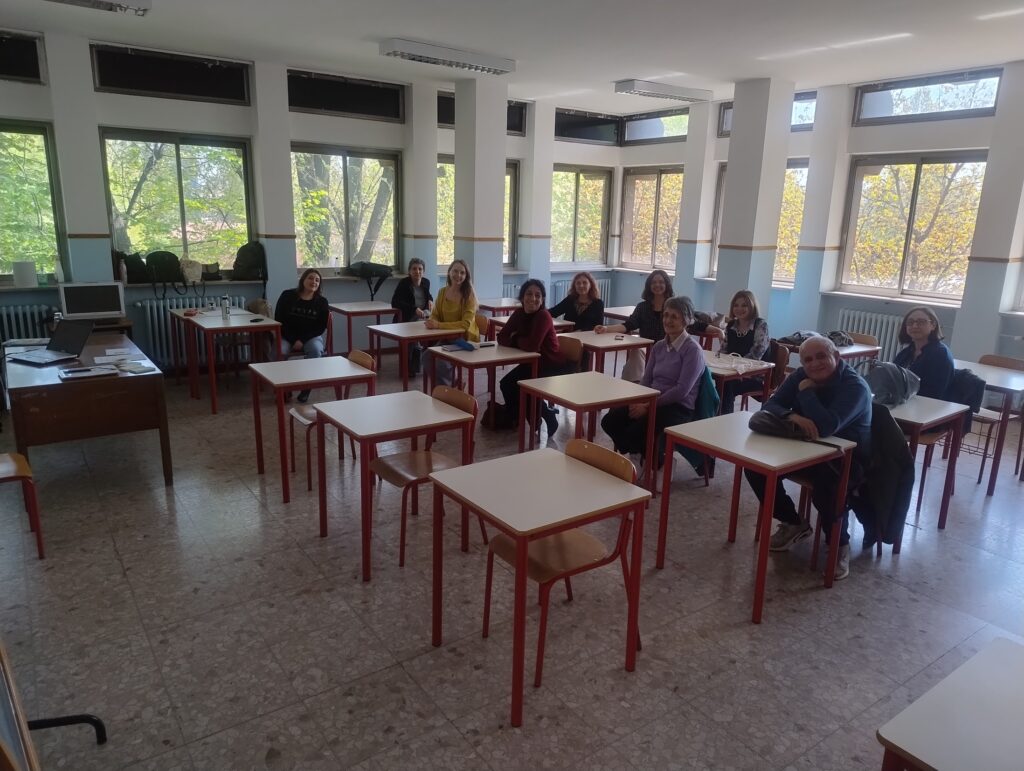
CPIA5 - Centro Provinciale Istruzione agli Adulti

CPIA is an autonomous public institution, equipped with a specific didactic and organisational structure to provide educational services for adults, including those who may not have completed their formal education or are looking to enhance their skills. CPIA5 works in the area of Milan, in 8 different locations. The school is open from 8 am till 8 pm, all courses are for free. Our educational offer includes:
- Formal educational paths to achieve a study title (secondary school diploma or two-year period of higher education).
- Italian courses for foreigners (from preA1 to C1), starting twice a year, October and February. Learners also have the
opportunity to take Italian certification exams (CILS). - FAMI and PON courses, funded by the national Ministry of the Interior, aimed at deepening Italian language proficiency and exploring innovative teaching/learning techniques (using theatre, photography, music, or painting).
Apart from our experience as adult language educators, we systematically offer JS opportunities to different targets. Every year lots of higher education students who are attending a master’s program to become Italian language teachers, carry out their internship in CPIA5, observing an experienced teacher for up to 200 hours. They mainly come from Milan Universities (Unimi and Unicatt). JS is also the first fundamental step for all new teachers training and career: teachers who passed the public exam must do this activity during their “trial year” in our school. Finally, during the past years we were a Erasmus+ hosting school for students and teachers. During these experiences guests could observe different types of courses (Italian courses – different levels, middle school courses) and take part in practical workshops. Together with a group of our students we also organised for them some extracurricular activities like museum visits and city tours.
Yearly we have around 8000 students. Our learners are aged 16 and over. There is a great variety of people not only in terms of ages but also referring to their culture, language, occupation, and previous education. Some are refugees, others are economic migrants, yet others are university students or Eu/non-EU foreign employers and many others. Before the beginning of each semester, every new enrollee undergoes a language test to assess their level of proficiency. Once the level is determined, the student can choose the most suitable time slot for their needs (morning/afternoon/evening).
Many students at our school aim to pass the A2 exam – necessary in Italy for long-term residency permits – and the B1 exam – necessary to apply for Italian citizenship. In order to take the end-of-course level exam, each student must attend 70% of the total scheduled hours (normally, each course lasts on average between 80 and 100 hours).