RESULTS
Preparation: Building the Team and Setting the Vision
The project officially started in October 2024, marking the beginning of an exciting collaborative journey. During this initial phase, the project managers met several times online via Meet to define the first strategic steps — introducing the TOP Project within their institutions and identifying teachers interested in joining the initiative.
Each partner school organized at least one information and outreach session to present the project to their colleagues, followed by a selection phase to choose participants for the first mobility in Galway. For larger institutions, such as CPIA5 Milan, this step was especially important to ensure broad participation and fair selection.
Together, the partners agreed on common selection criteria designed to create diverse and balanced teams, combining teachers with different levels of experience to enrich the exchange of perspectives. To guide the process, questionnaires were developed to assess key aspects such as teaching background, English language proficiency (minimum B1 level), and motivation to take part in the project.
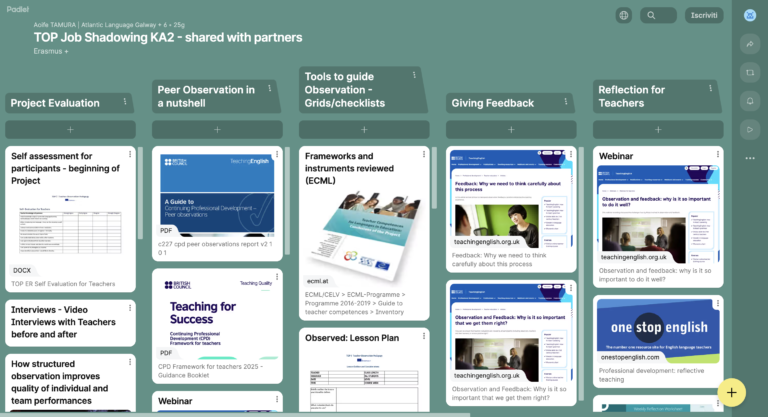
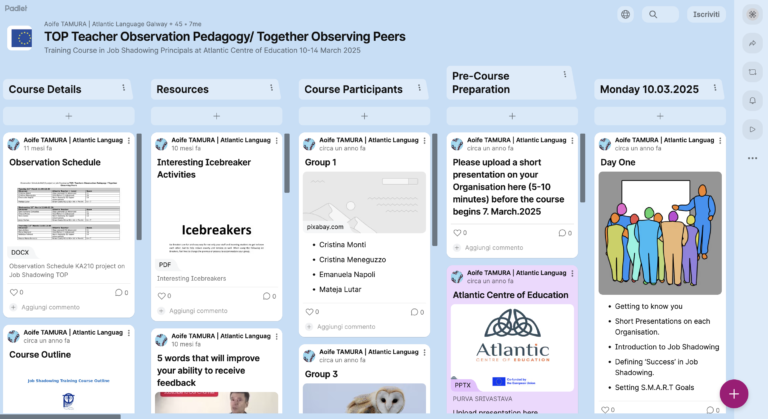
In addition to these organizational steps, the partners also began collecting useful information and resources related to job shadowing practices. This exploratory work resulted in the creation of a dedicated Padlet, where all relevant materials have been gathered and shared.
This first stage successfully established the foundations of the project community, bringing together a motivated and varied group ready to collaborate, learn, and innovate together.

Kickoff and training course in Galway: Building the Foundations for Collaboration and Innovation
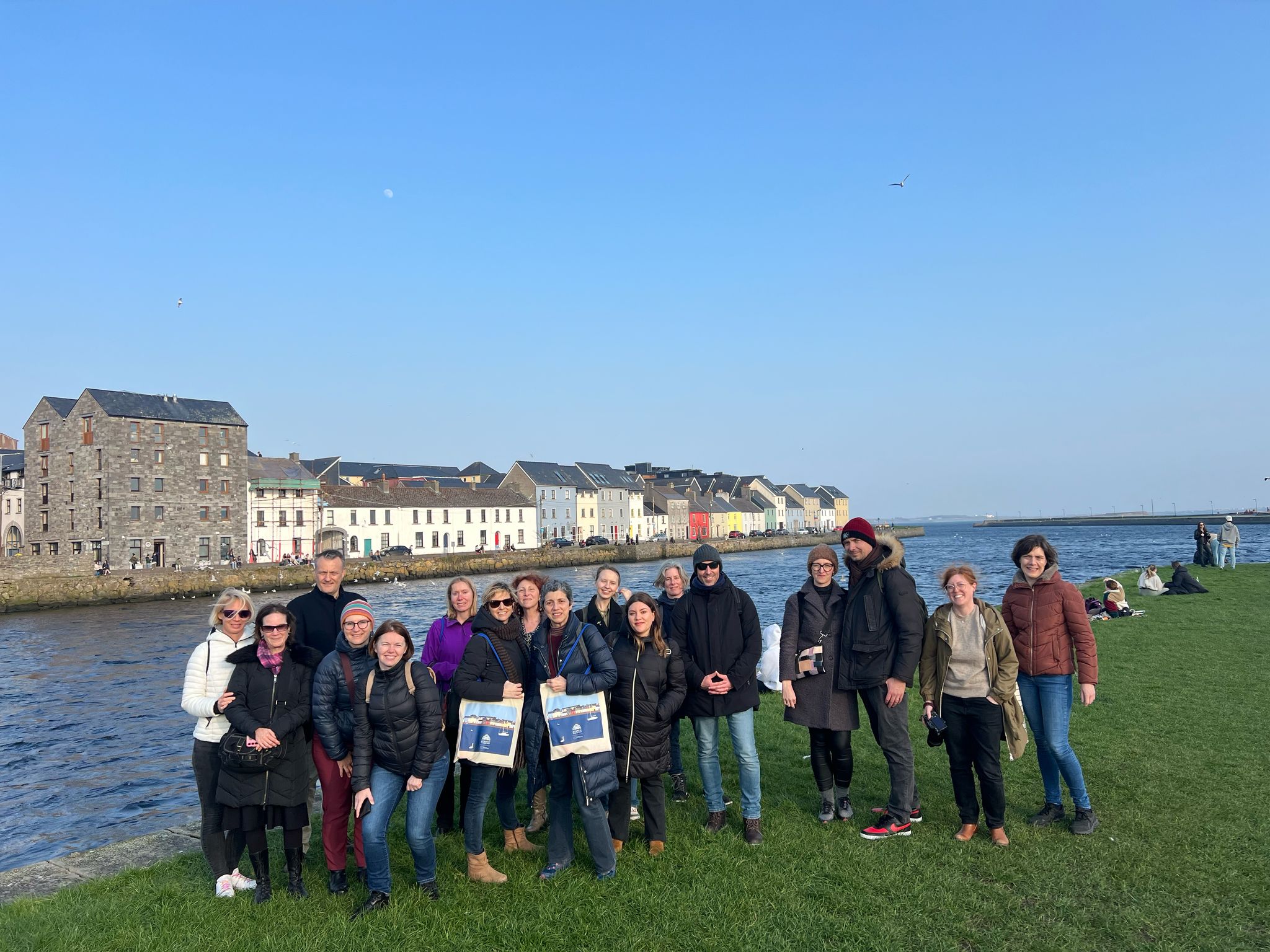
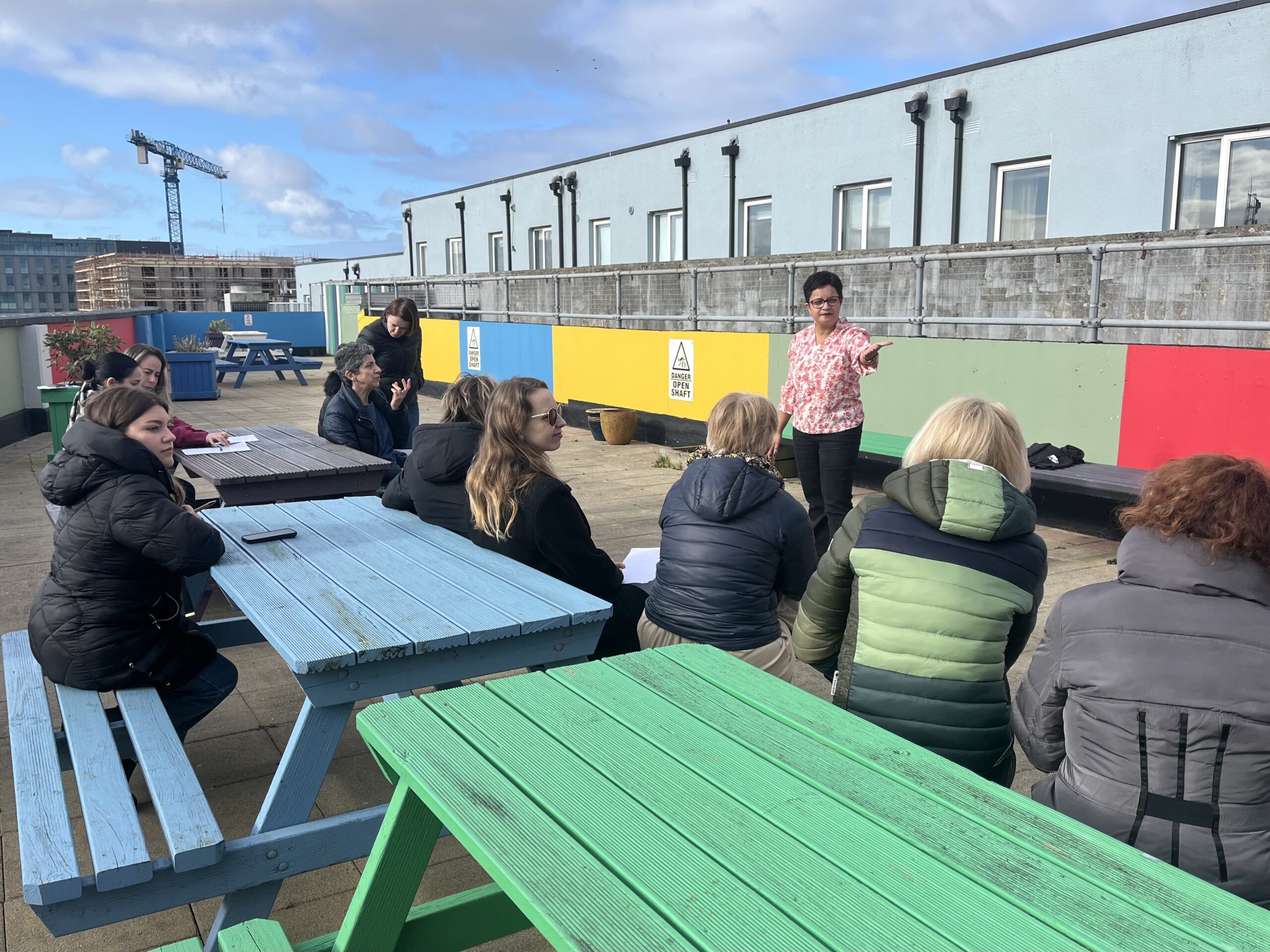
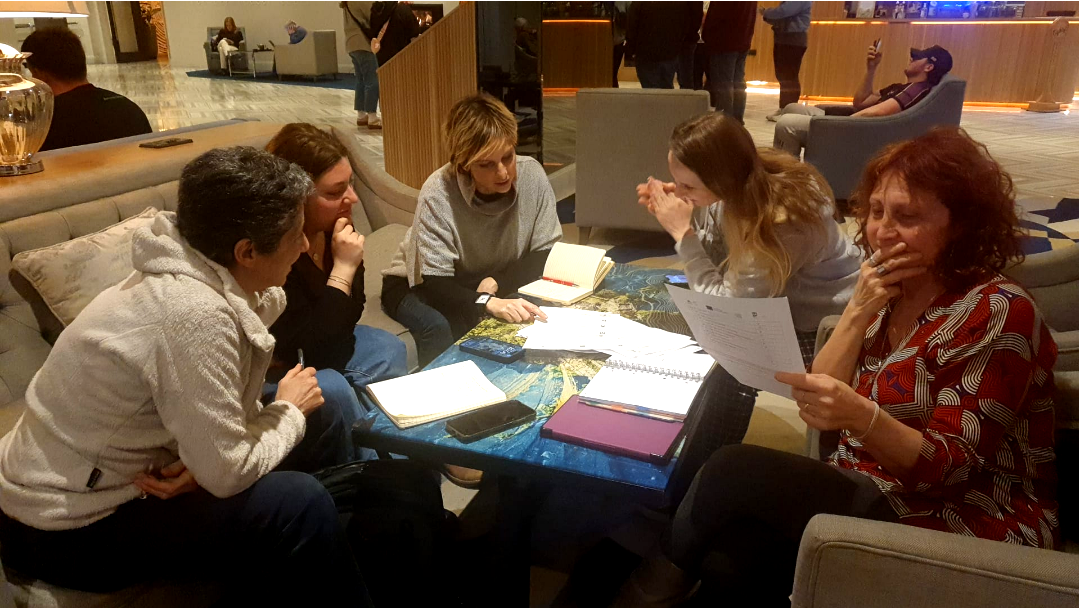
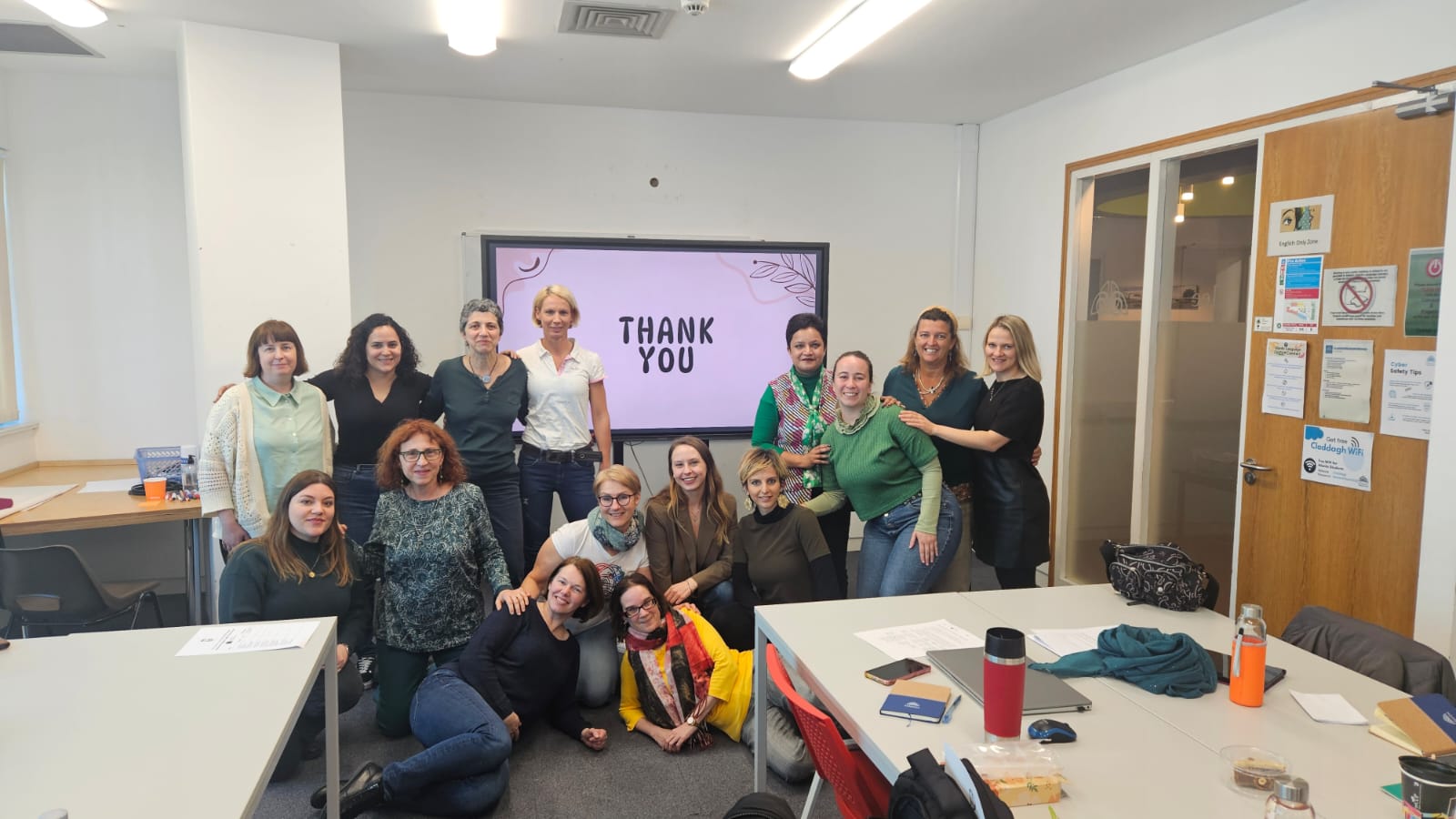
The second project activity marked our first international mobility, hosted in Galway, Ireland, and brought together all four project partners — the four project managers and participating teachers from each institution (4 from CPIA5 Milan, 2 from EOI Maspalomas, and 4 from CDI Univerzum).
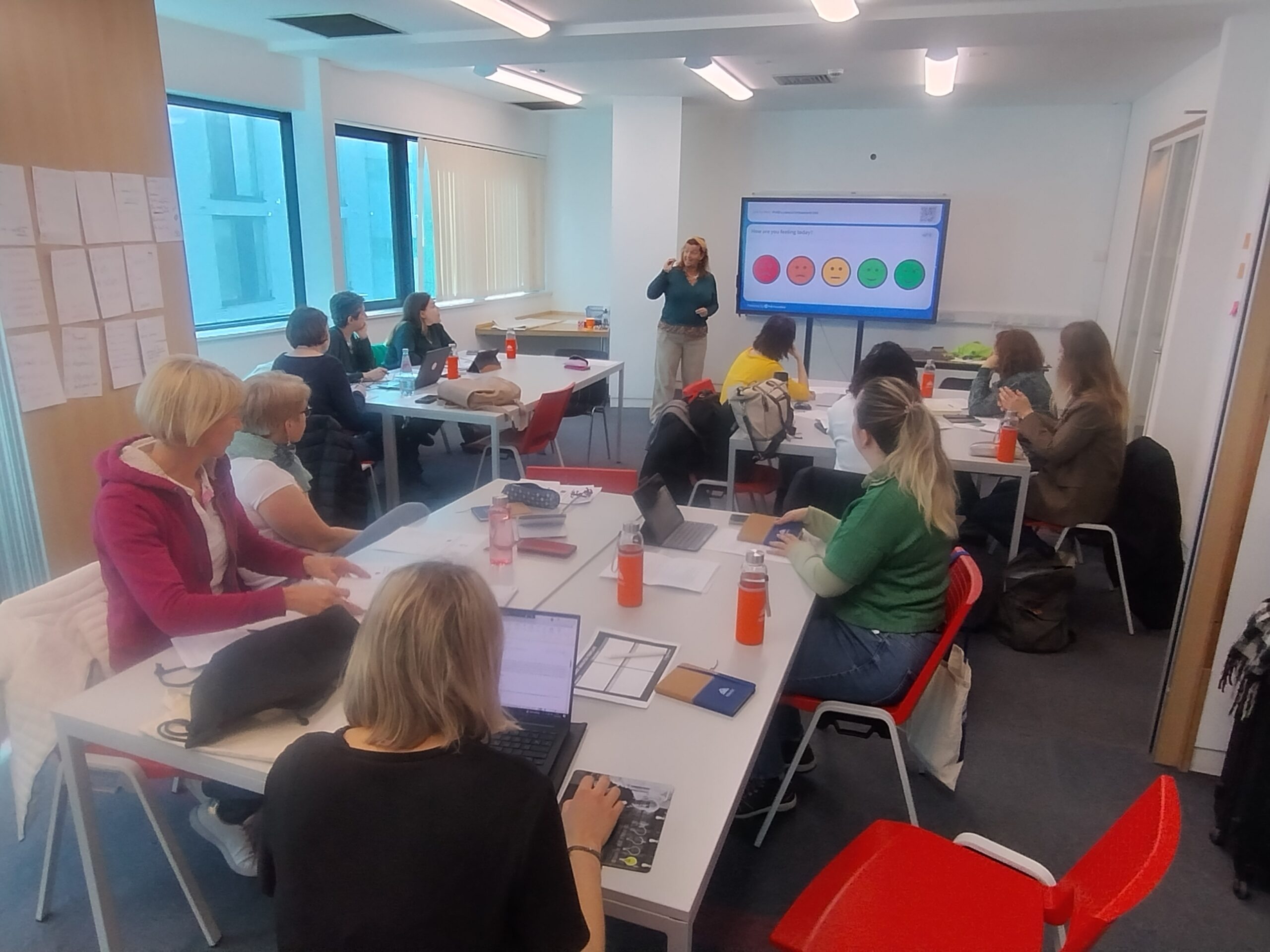
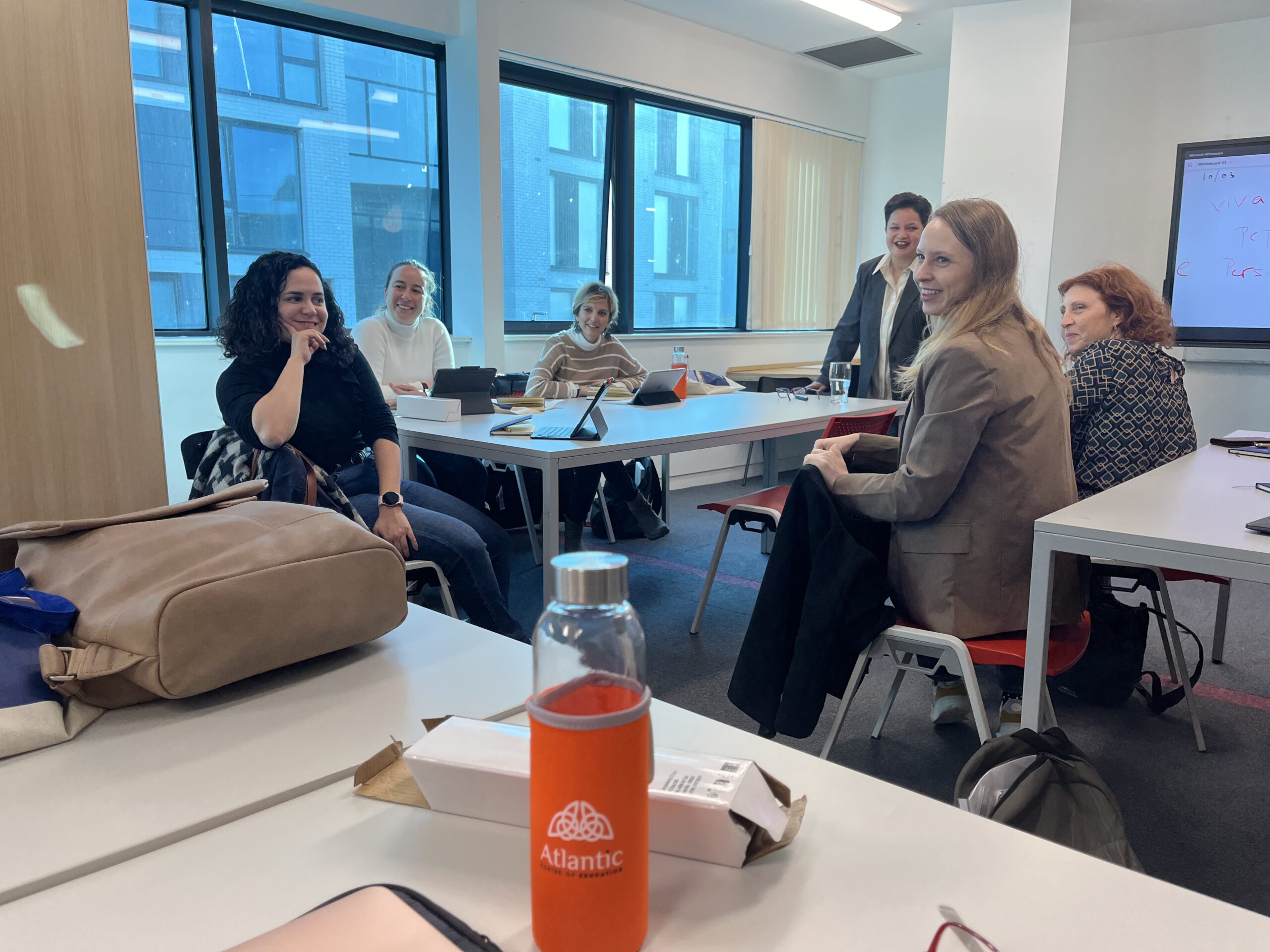
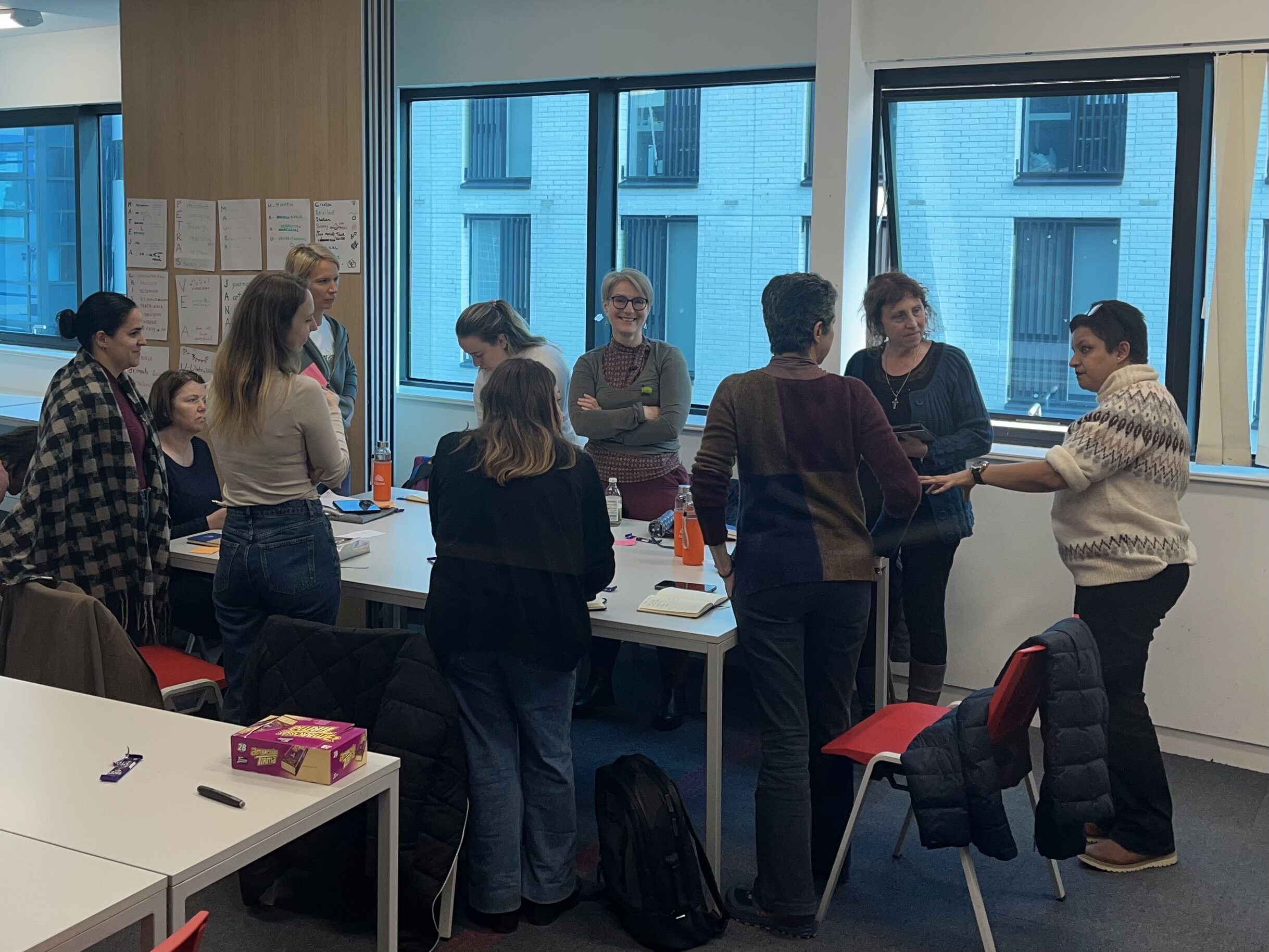
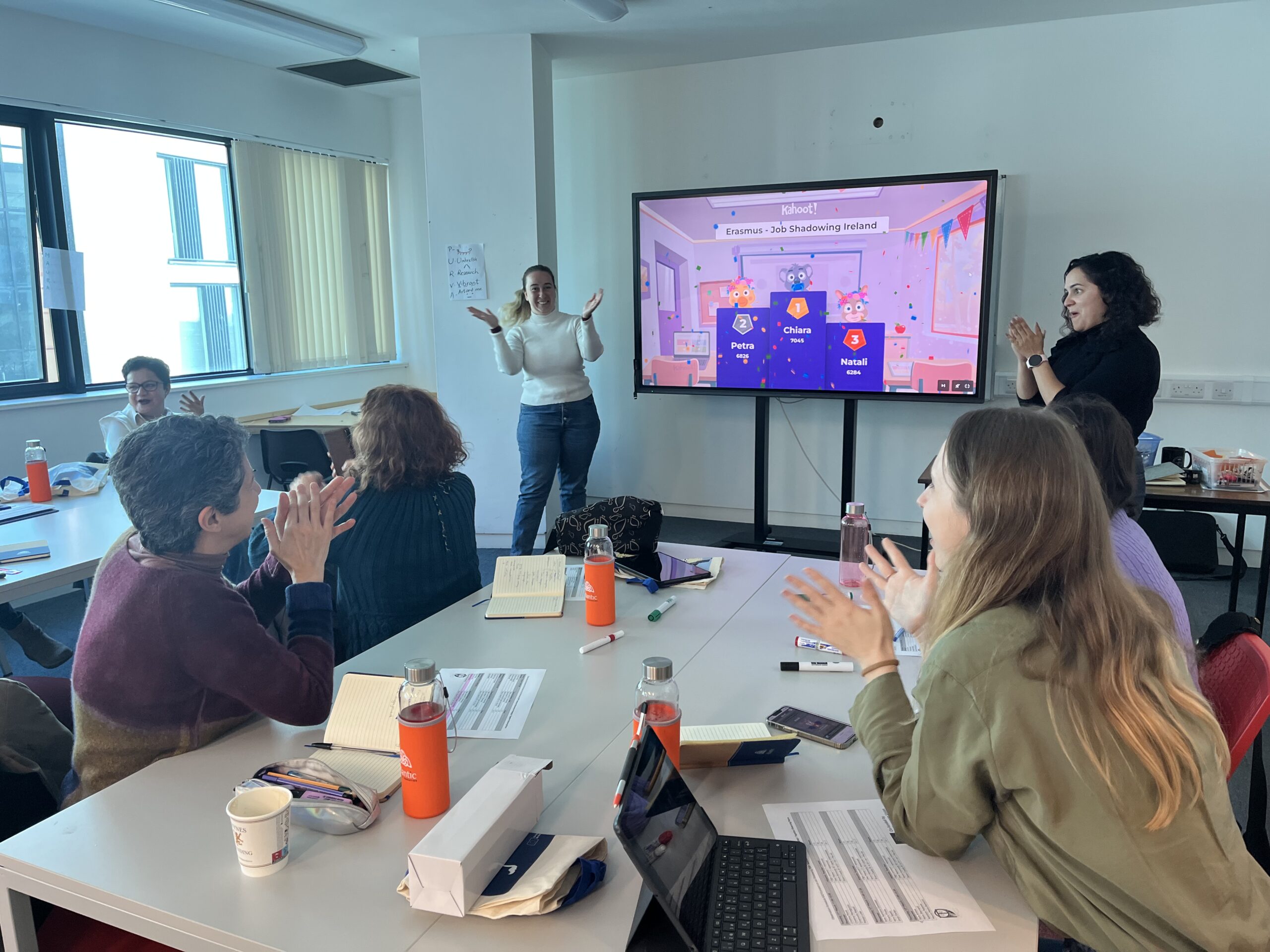
During this mobility, participants attended a training course on job shadowing organized by the Atlantic Centre, which proved to be a crucial moment for professional growth and exchange. The experience fostered strong team building among partners and laid the groundwork for the project’s upcoming experimental phase.
Together, participants began to design and conceptualize a practical framework aimed at making job shadowing activities more effective and impactful — a tool to genuinely enhance the competences of those involved.
In addition to the training, the project managers held three coordination meetings, defining the next steps to be taken between March and the following mobility in Slovenia. This phase was essential for aligning visions, strengthening cooperation, and setting a clear direction for the project’s future activities.
Testing Job Shadowing Criteria (locally)
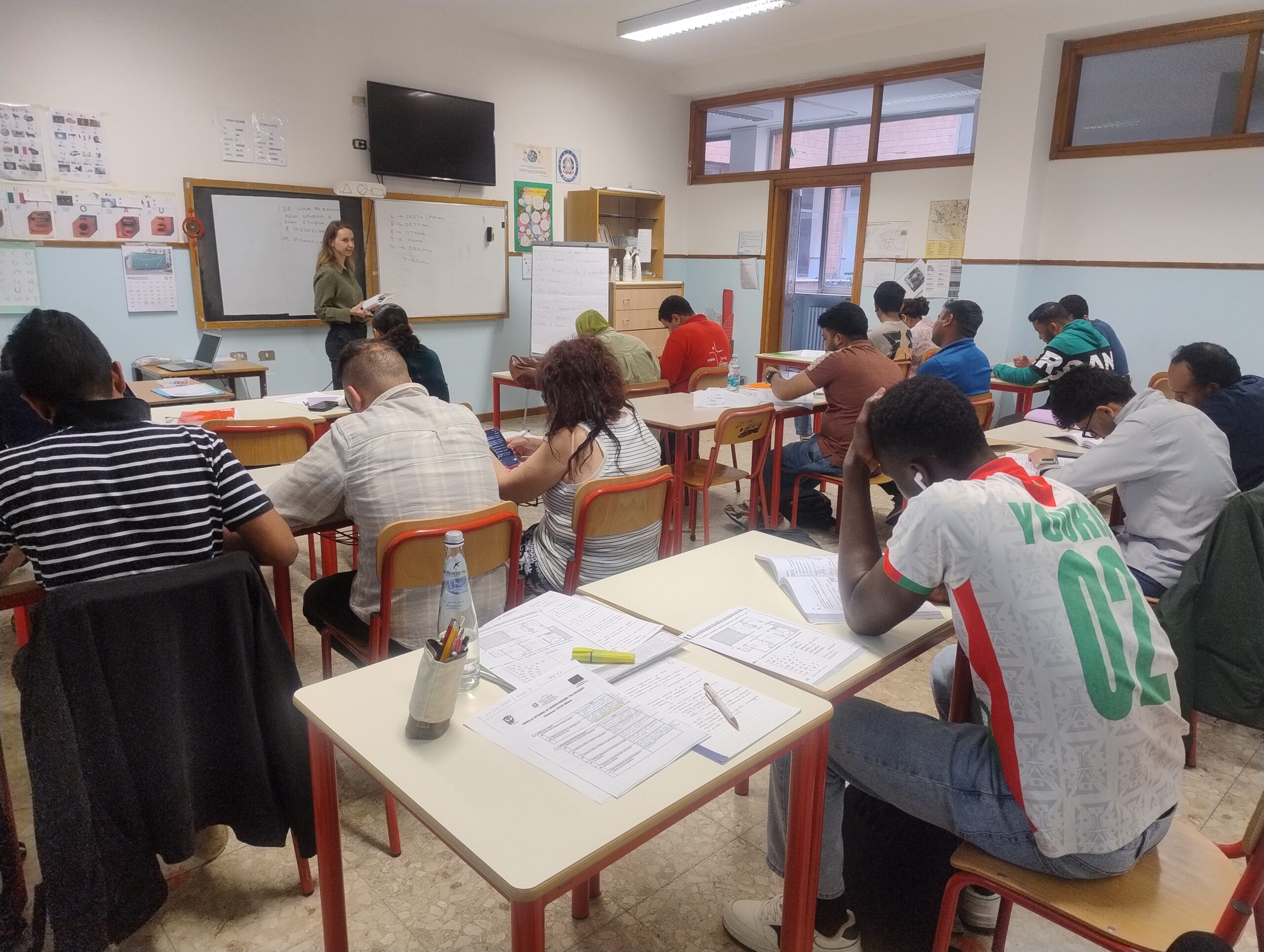
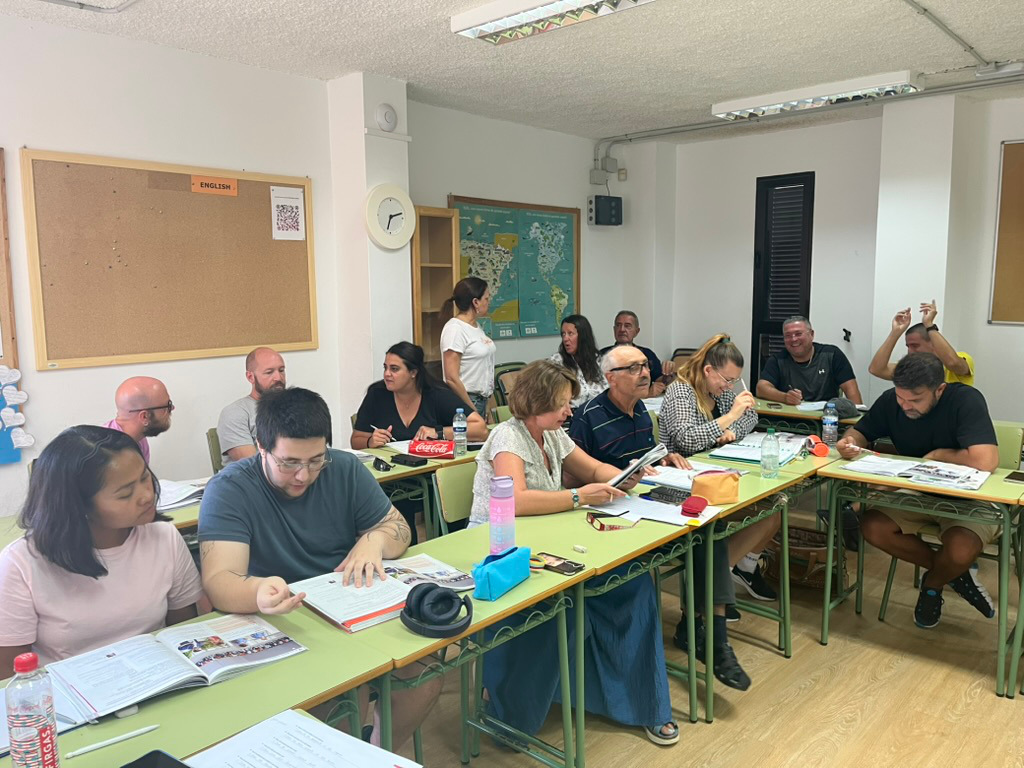
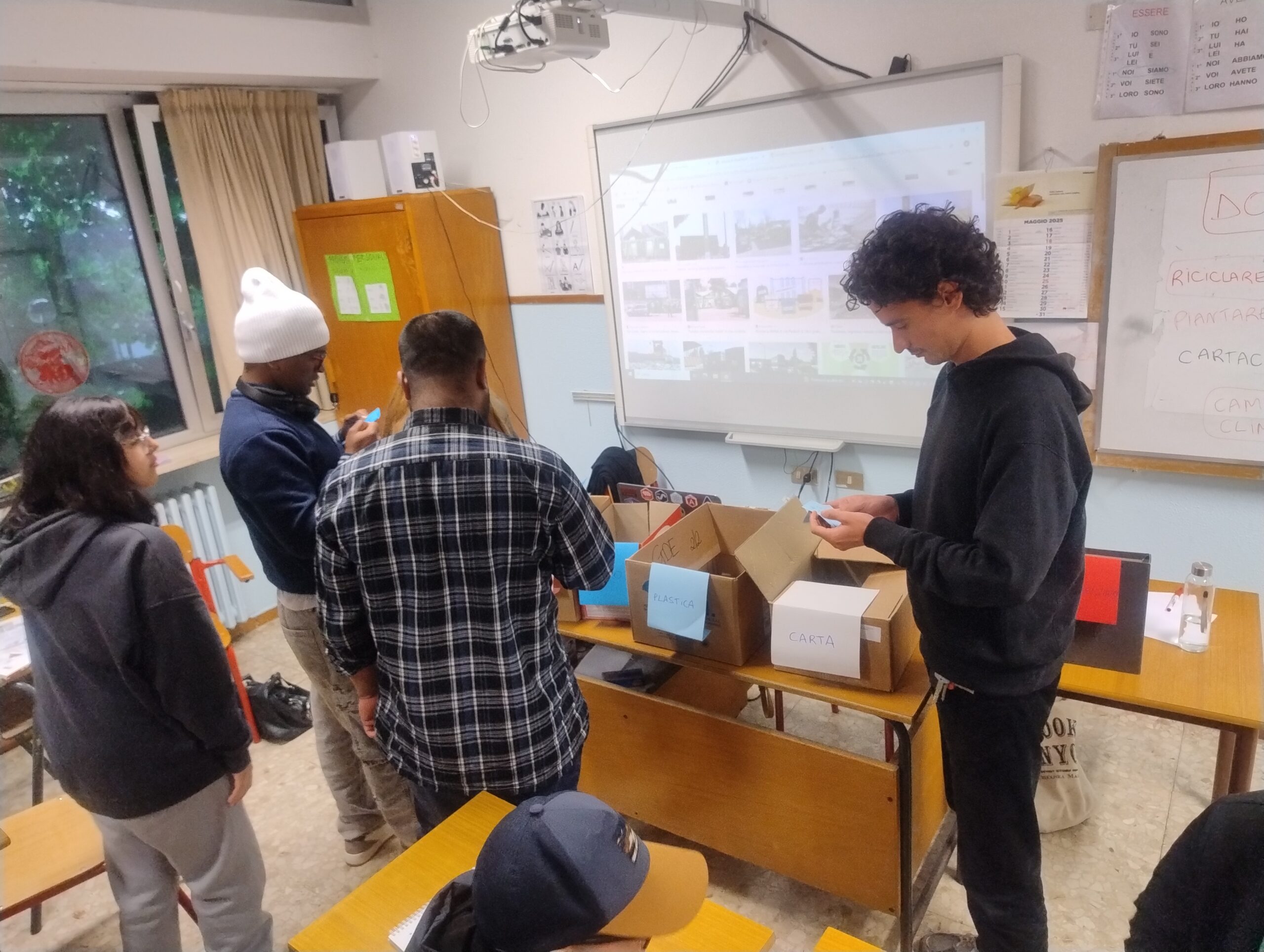
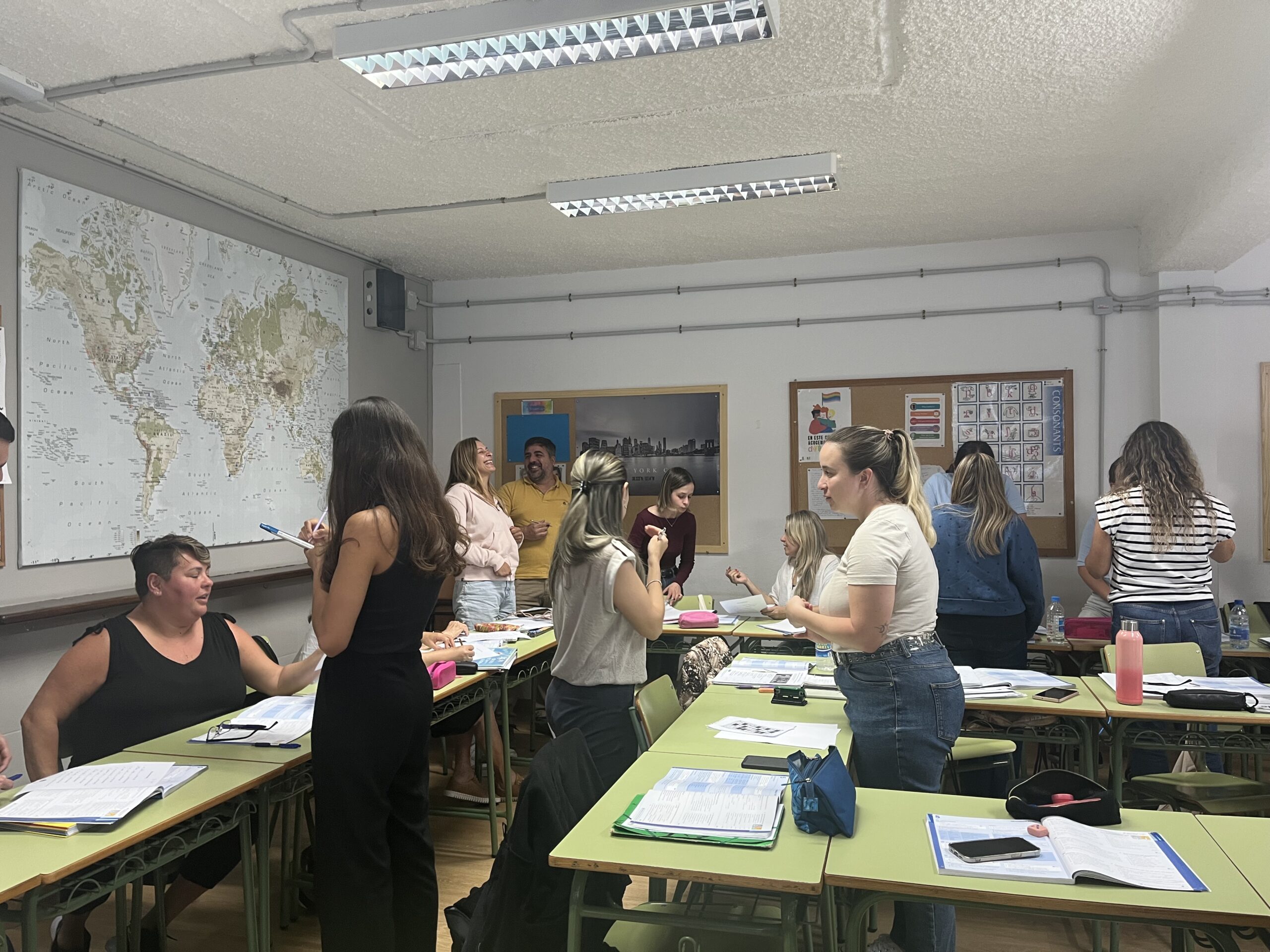
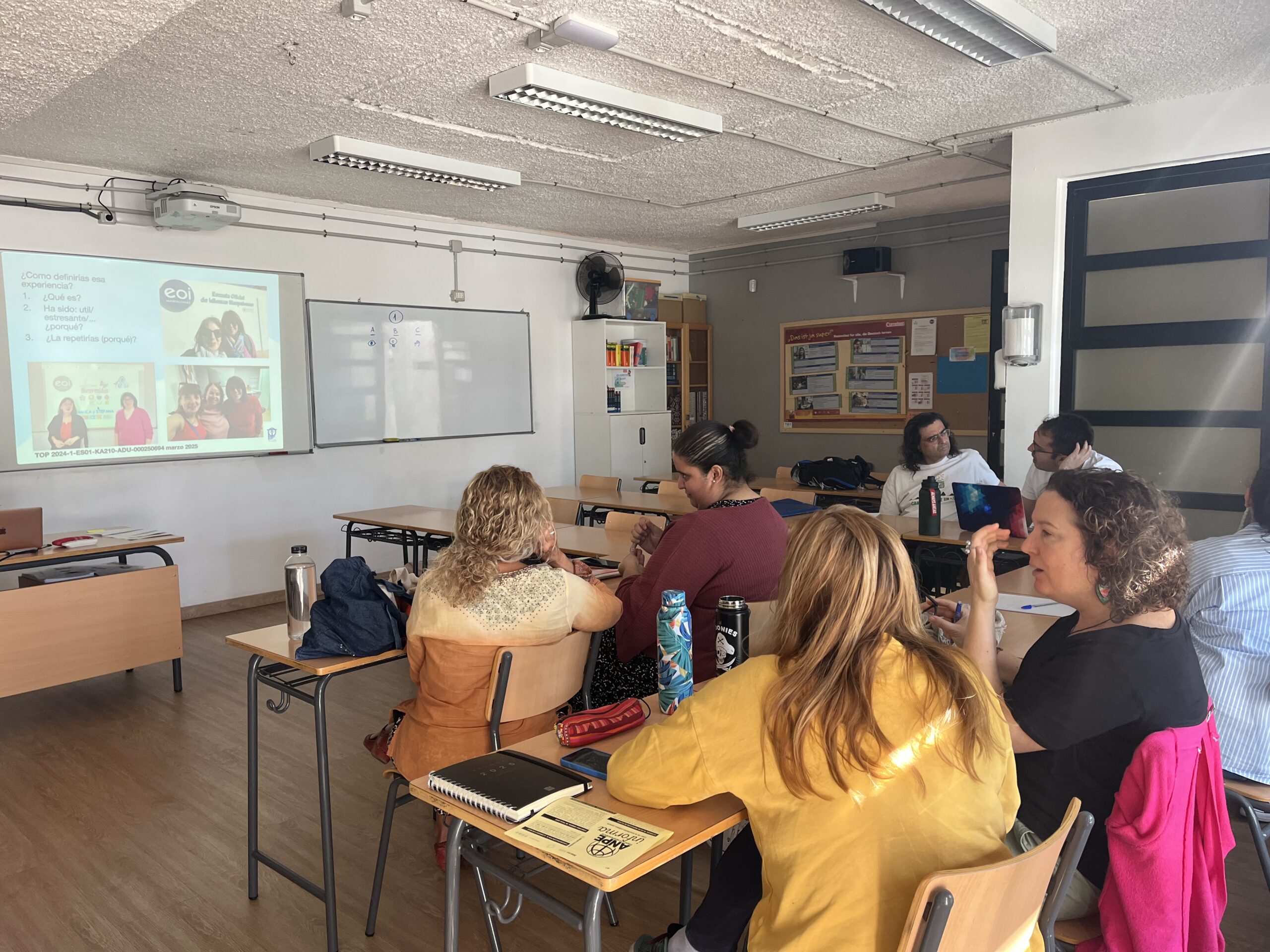
Following the mobility week in Galway, each partner organised the pilot phase starting from the inputs and ideas collected in Ireland. Dissemination meetings were held in each partner school to share the activities carried out during the mobility and to identify teachers willing to take part in the pilot phase.
In each partner school, a working group developed its own observation grid and used it during two job shadowing sessions for each teacher involved in this phase. Once the observation activities were completed, focus groups were organised to reflect on the strengths and weaknesses of the pilot experience.
Some partner schools also began to introduce and test an observation grid for students, organising focus groups with students at the end of the observation sessions. Throughout the process, paper-based materials, photographs and videos were collected.
![{"capture_mode":"AutoModule","faces":[]}](https://topk2erasmus.eu/wp-content/uploads/2026/02/IMG_20250411_163554_HDR-scaled.jpg)
![{"capture_mode":"AutoModule","faces":[]}](https://topk2erasmus.eu/wp-content/uploads/2026/02/IMG_20250411_160117_HDR-scaled.jpg)

Cocreation of Job shadowing tool in Ljubljana
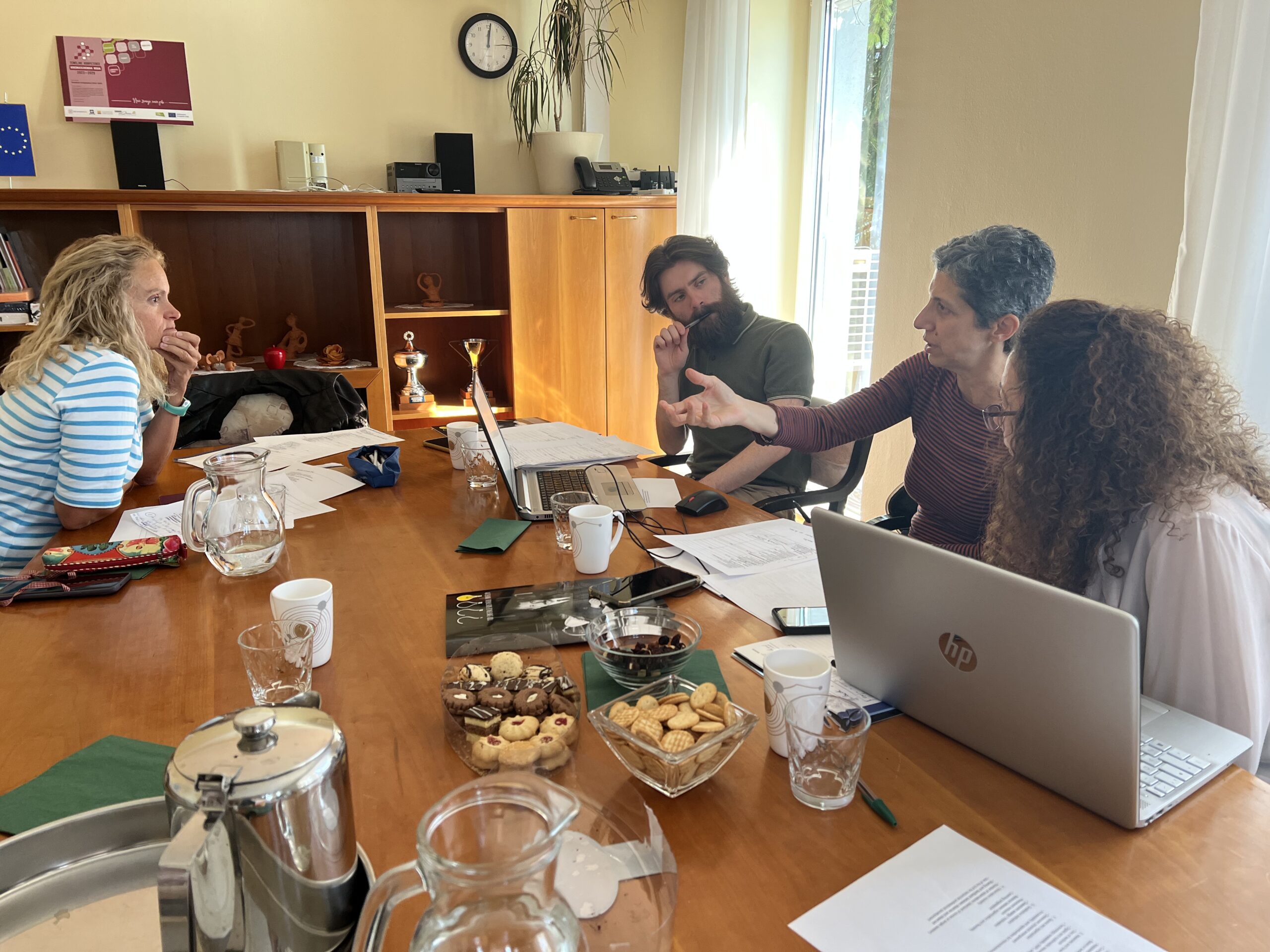
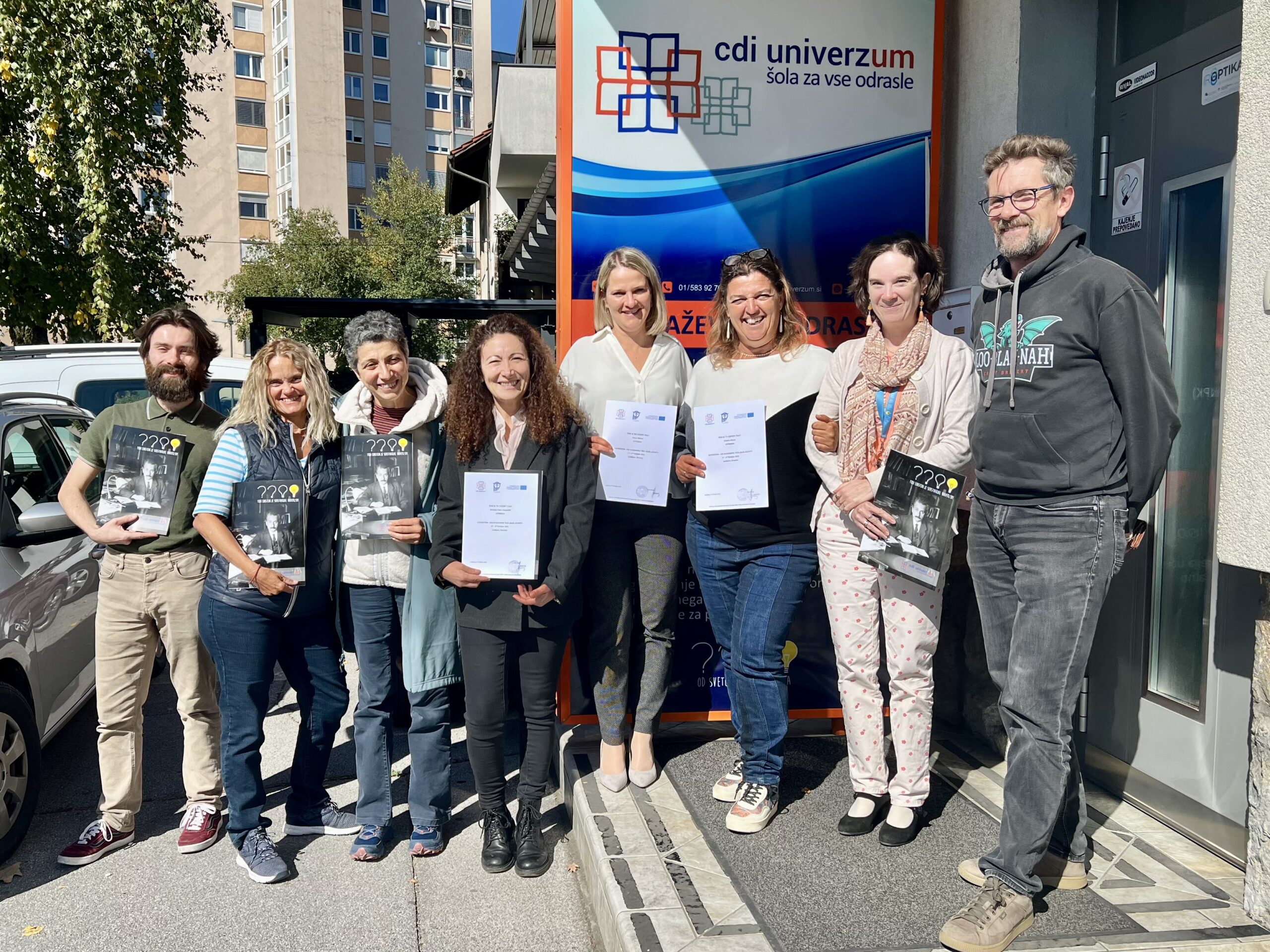
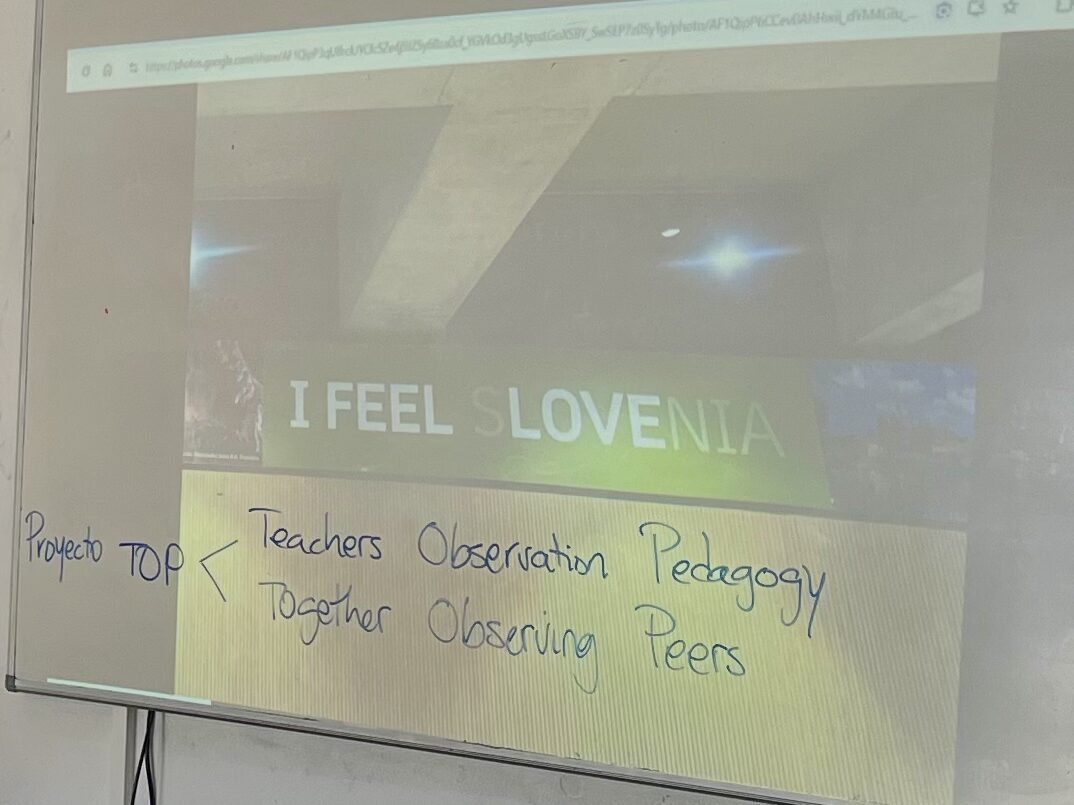
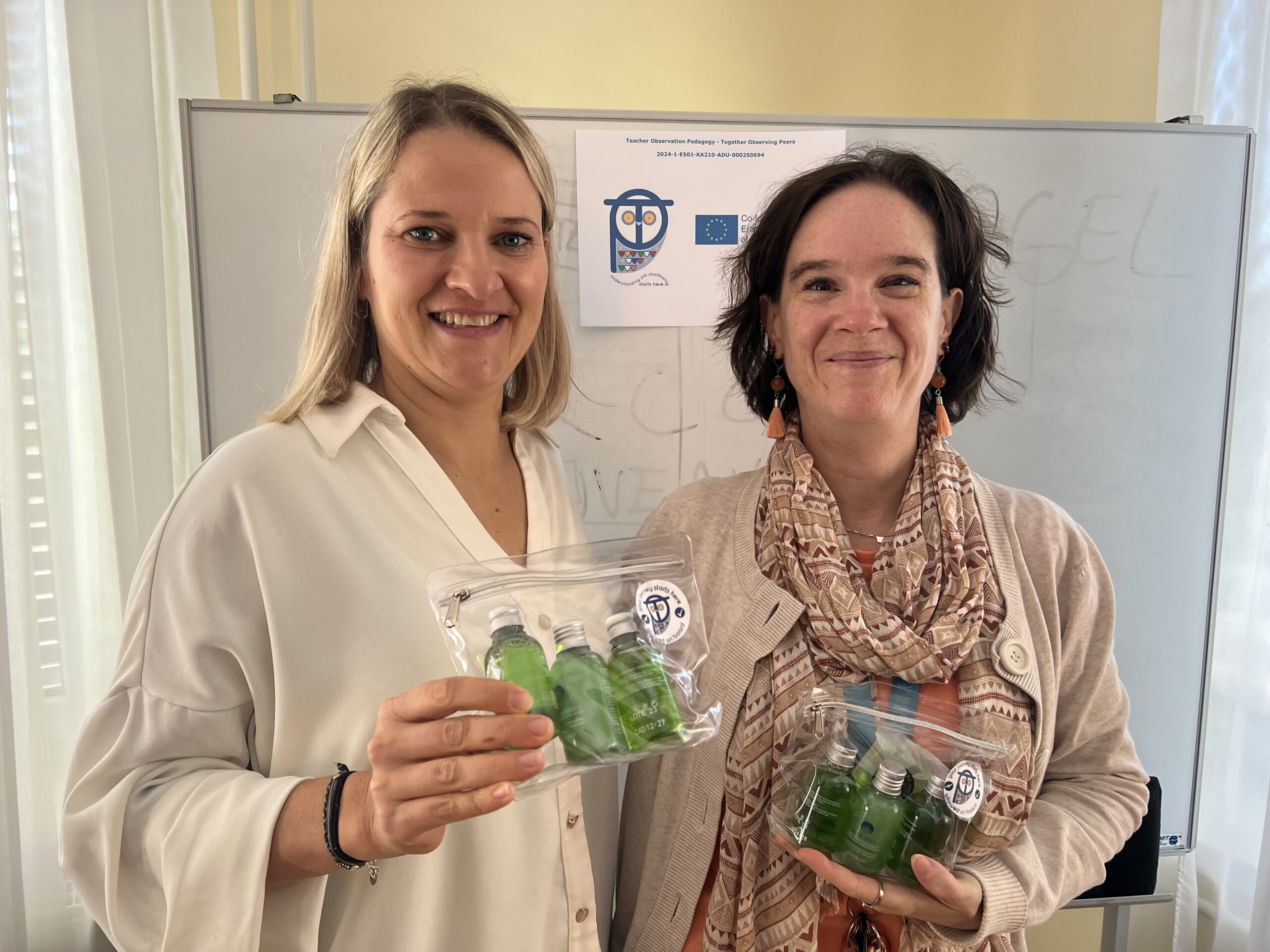
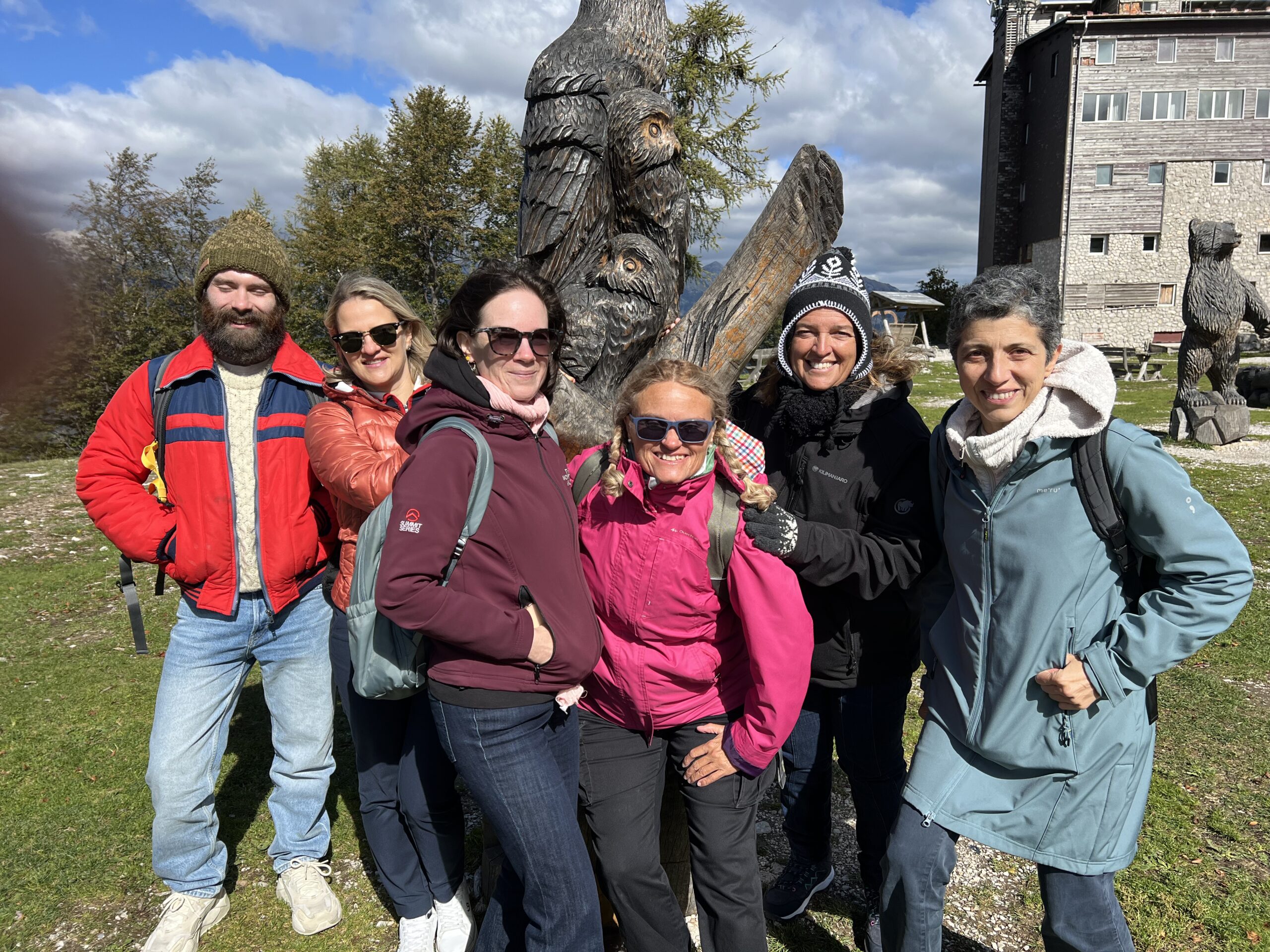
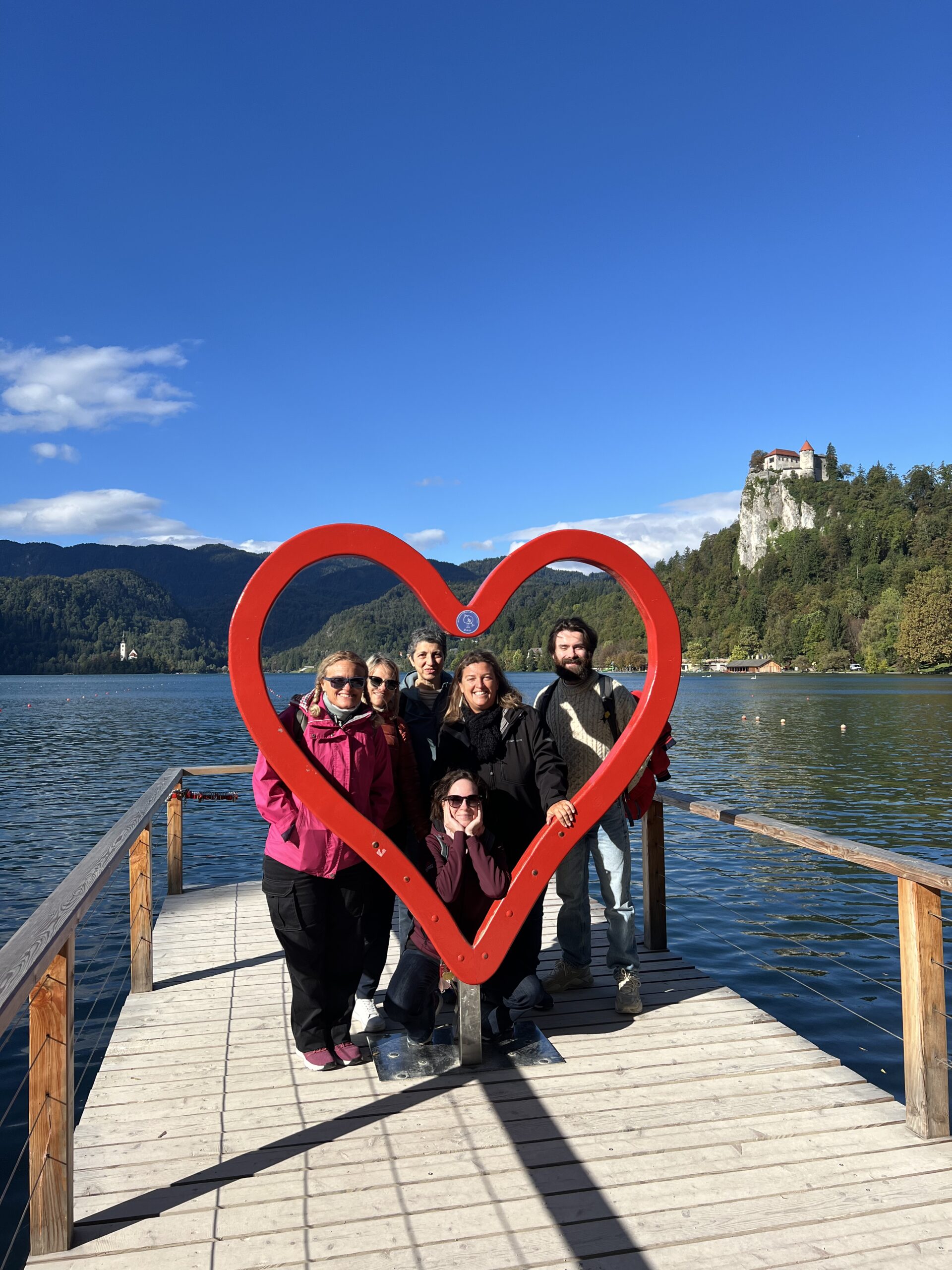
The mobility in Slovenia represented the co-creation phase of the Job Shadowing Tool and was carried out in a blended format: two preparatory online meetings, a face-to-face working session in Ljubljana, followed by three weeks of remote collaboration.
During the Slovenian meeting, partners shared and analysed the results of the first cycle of local observations, comparing the tested grids in order to develop a shared peer-observation tool for teachers. The work focused on the key question: “What makes a teacher a good teacher?”
The main objectives were to:
- ensure the tool’s validity at a transnational level
- minimise value judgement, focusing instead on factual observation
- make observed phenomena measurable through scales
- include requests for concrete examples supporting observations
The need also emerged to diversify the tools in order to better support the three phases of the job shadowing process (before, during and after) and to actively involve students. In addition to the teacher observation grid, the partners developed:
- a data collection form and a preparatory interview sheet
- a final feedback form
- a student observation grid
All tools were translated into the partners’ languages, marking the start of the next phase: local piloting of the tools.
Piloting tool (locally)
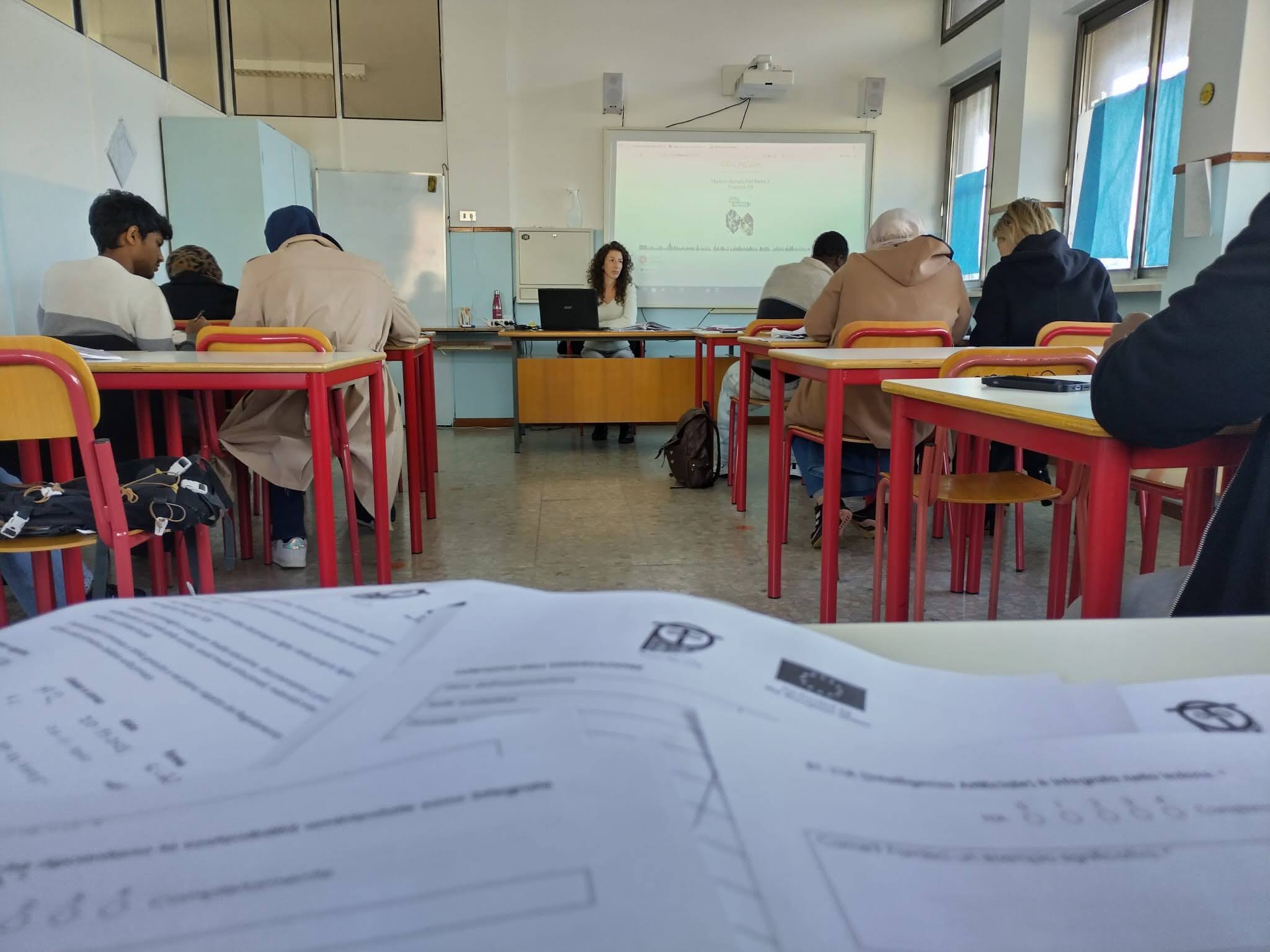
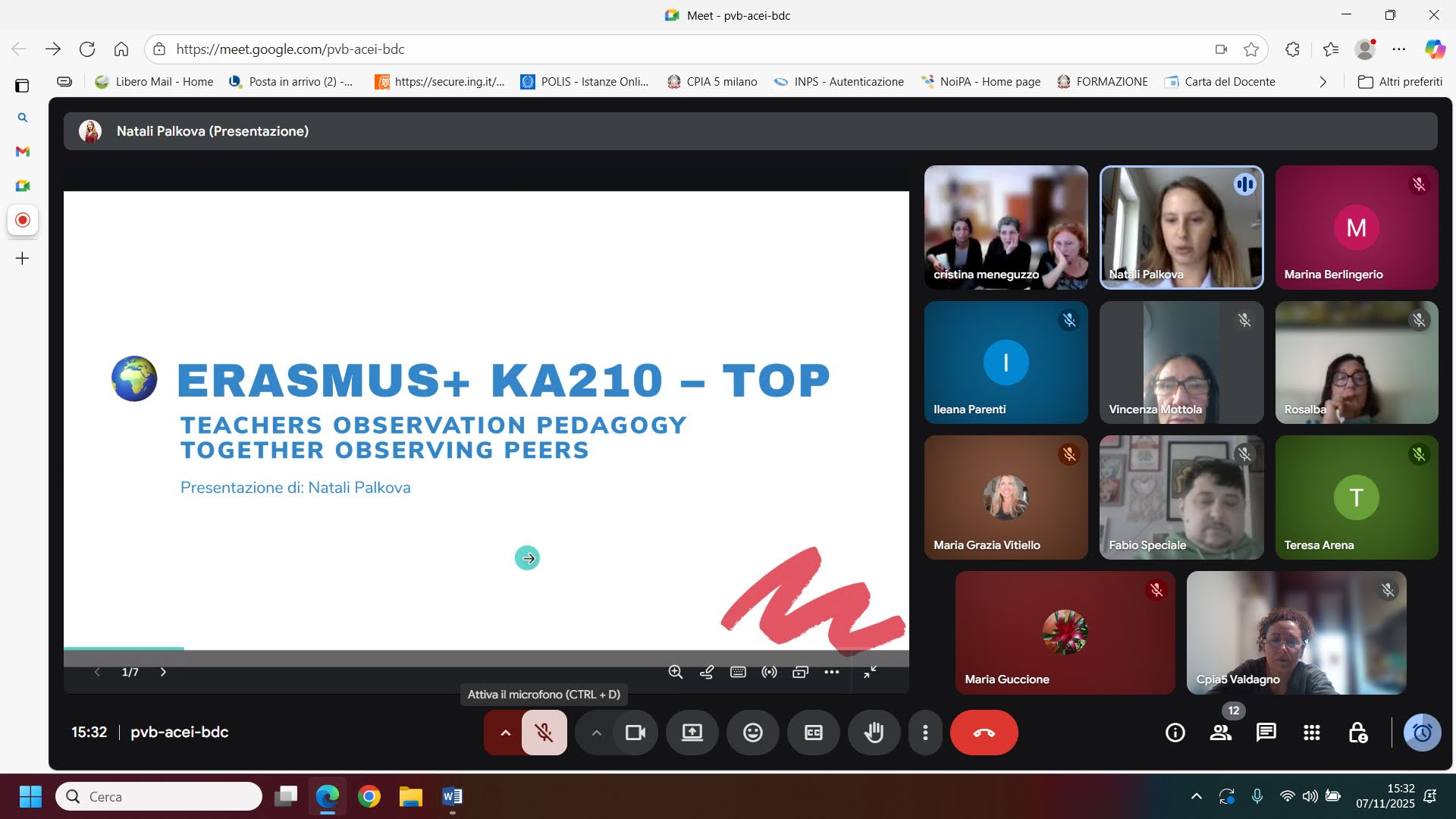
We have successfully piloted the assessment grid developed during the mobility in Slovenia. In each partner school, additional dissemination meetings were held following the mobility.
Immediately afterwards, the project managers, together with a group of teachers who voluntarily joined this second phase of experimentation, carried out internal job shadowing sessions. These sessions also involved selected students, who tested the grid specifically designed for them.
The activities provided valuable feedback and contributed to refining the tool for wider use.
Cocreation - Job shadowing tool
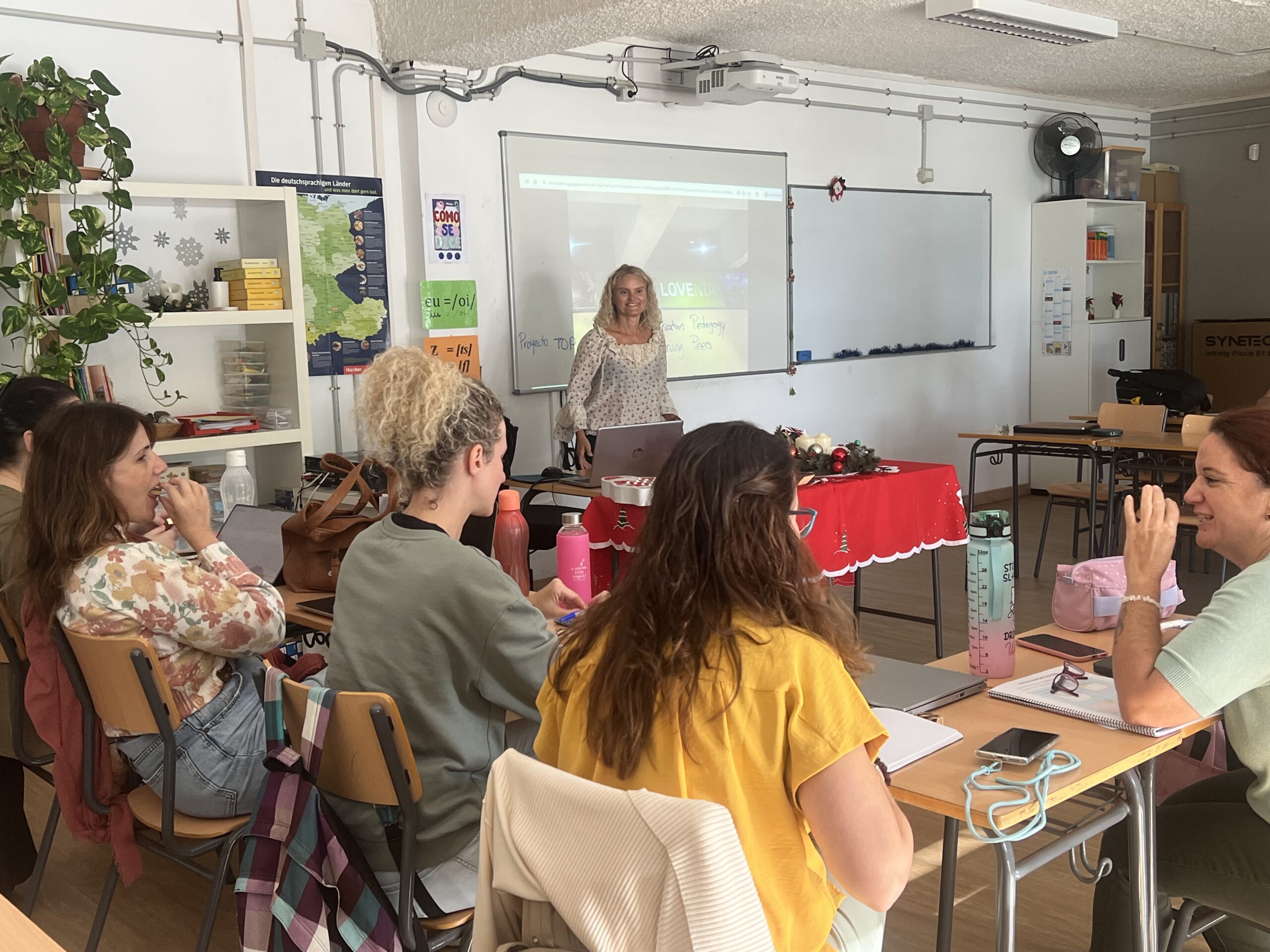
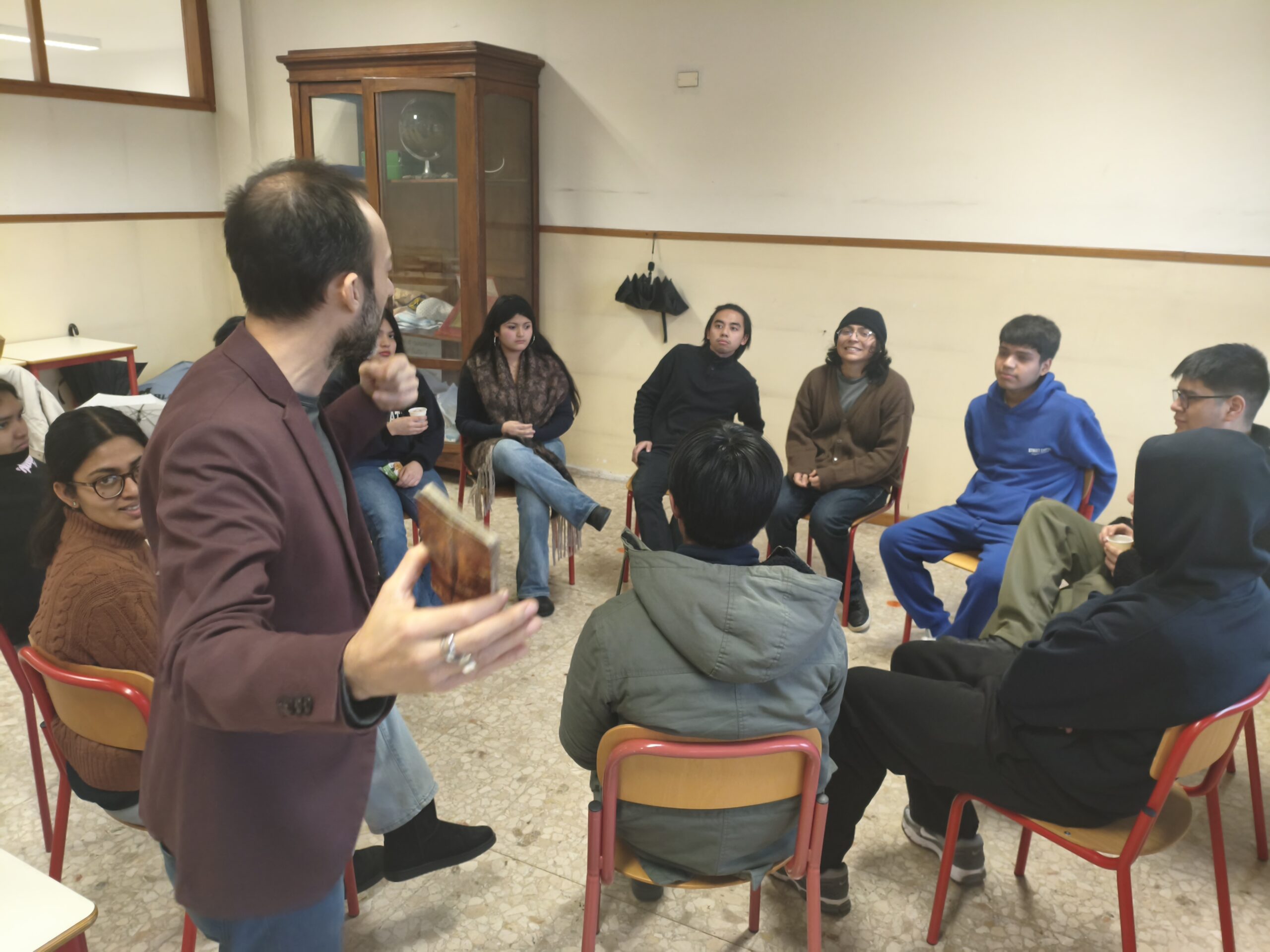
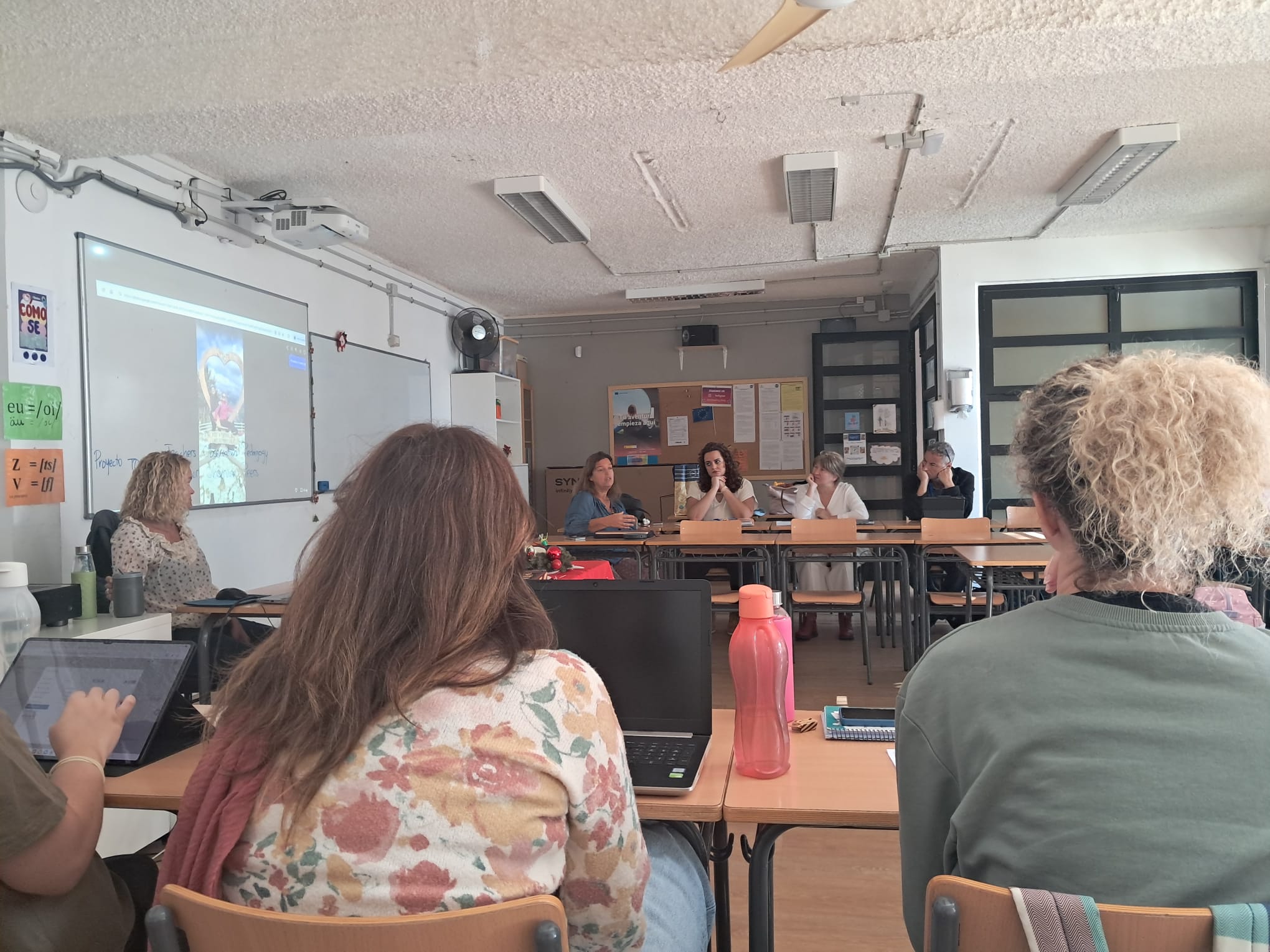
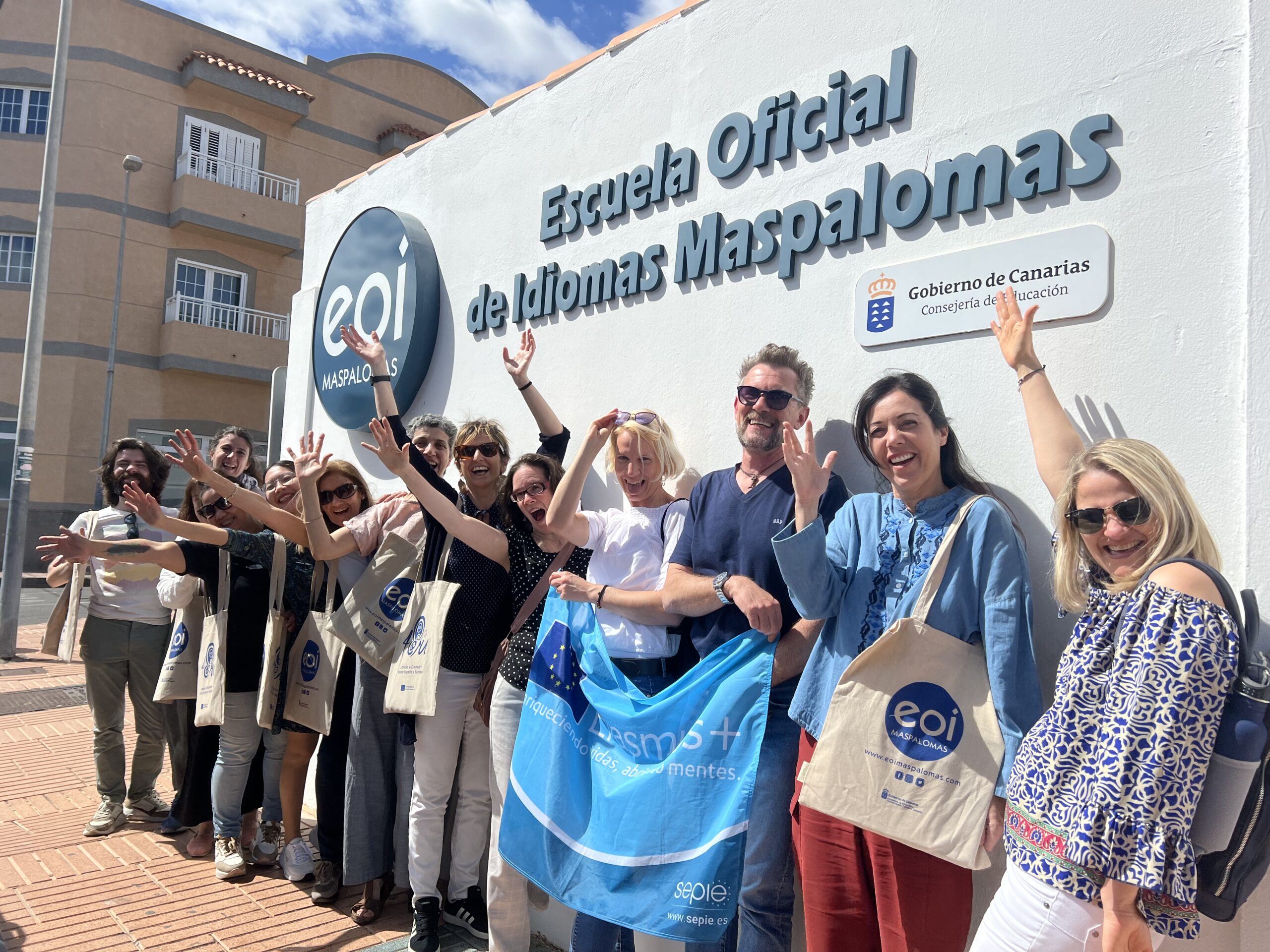
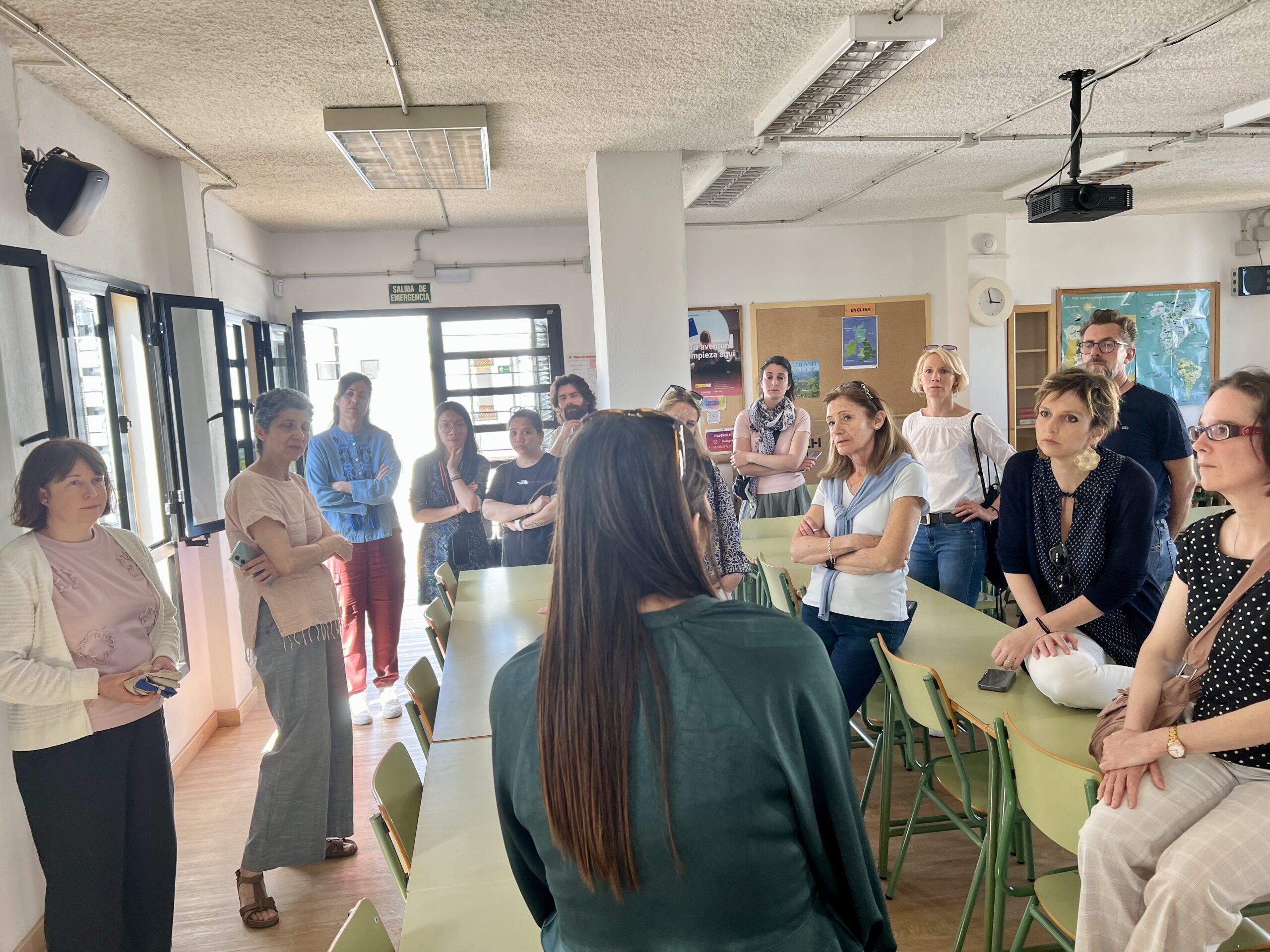
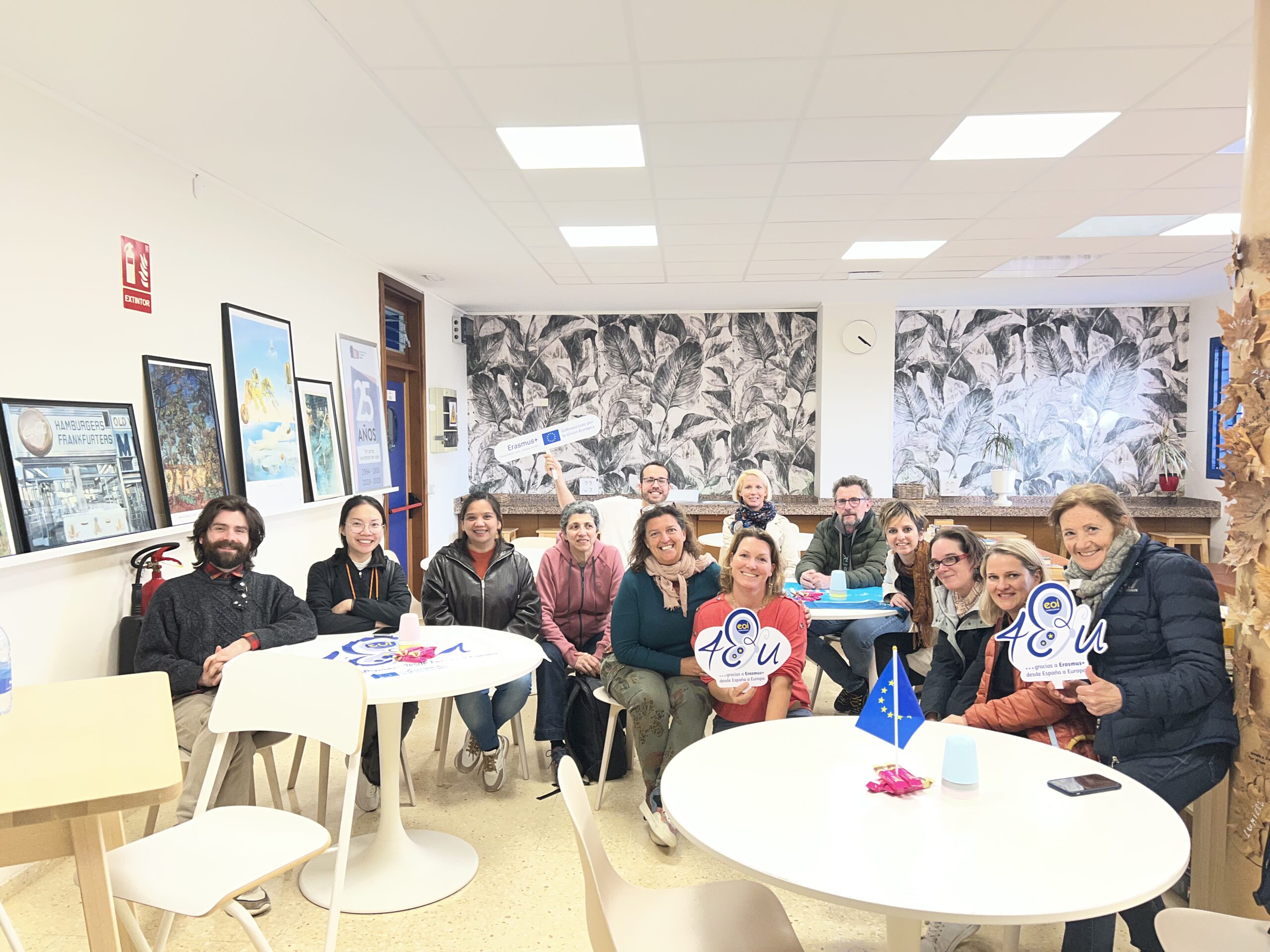
This activity marked a key milestone in the project, combining a transnational meeting with a short-term learning and dissemination event to finalise the Job Shadowing (JS) tool. It also represented the first opportunity to share and test this best practice with external organisations in different contexts.
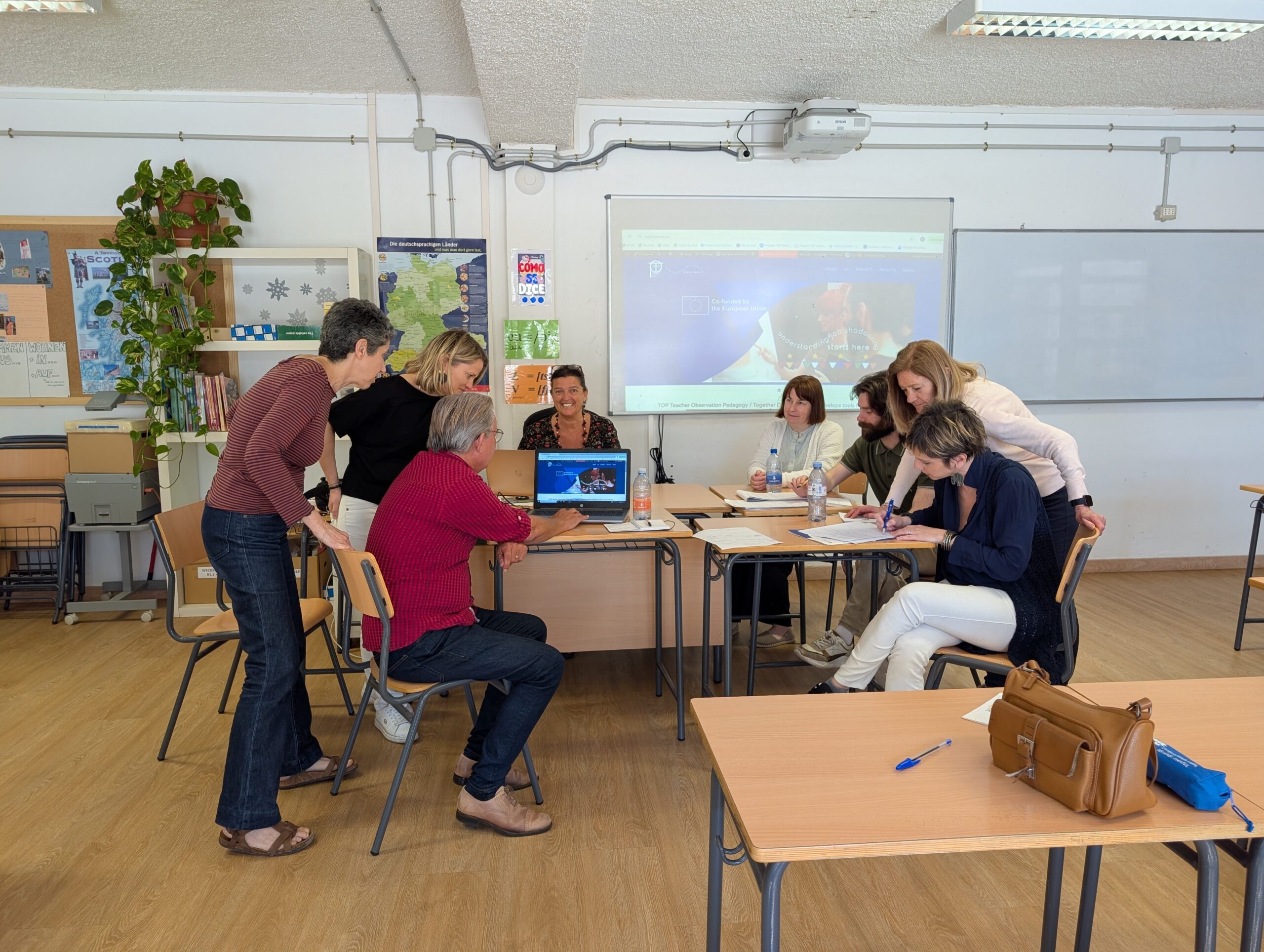
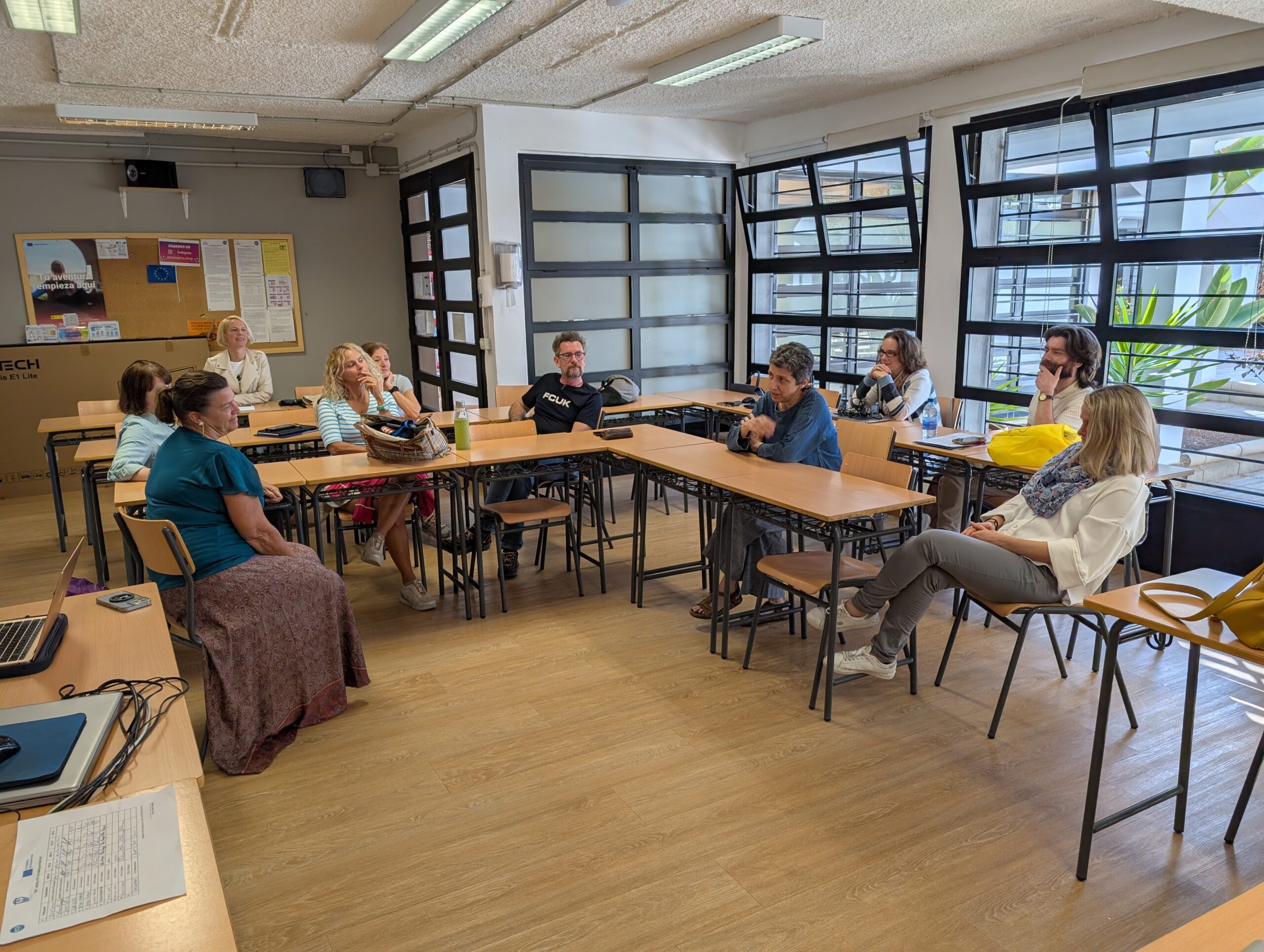
During the meeting, project partners worked collaboratively in transnational and transdisciplinary teams to review progress, analyse collected data, and refine the tool based on feedback. Through structured discussions and co-creation methods, including Word Café sessions, participants identified strengths and areas for improvement, leading to agreed updates in the tool’s design and features.
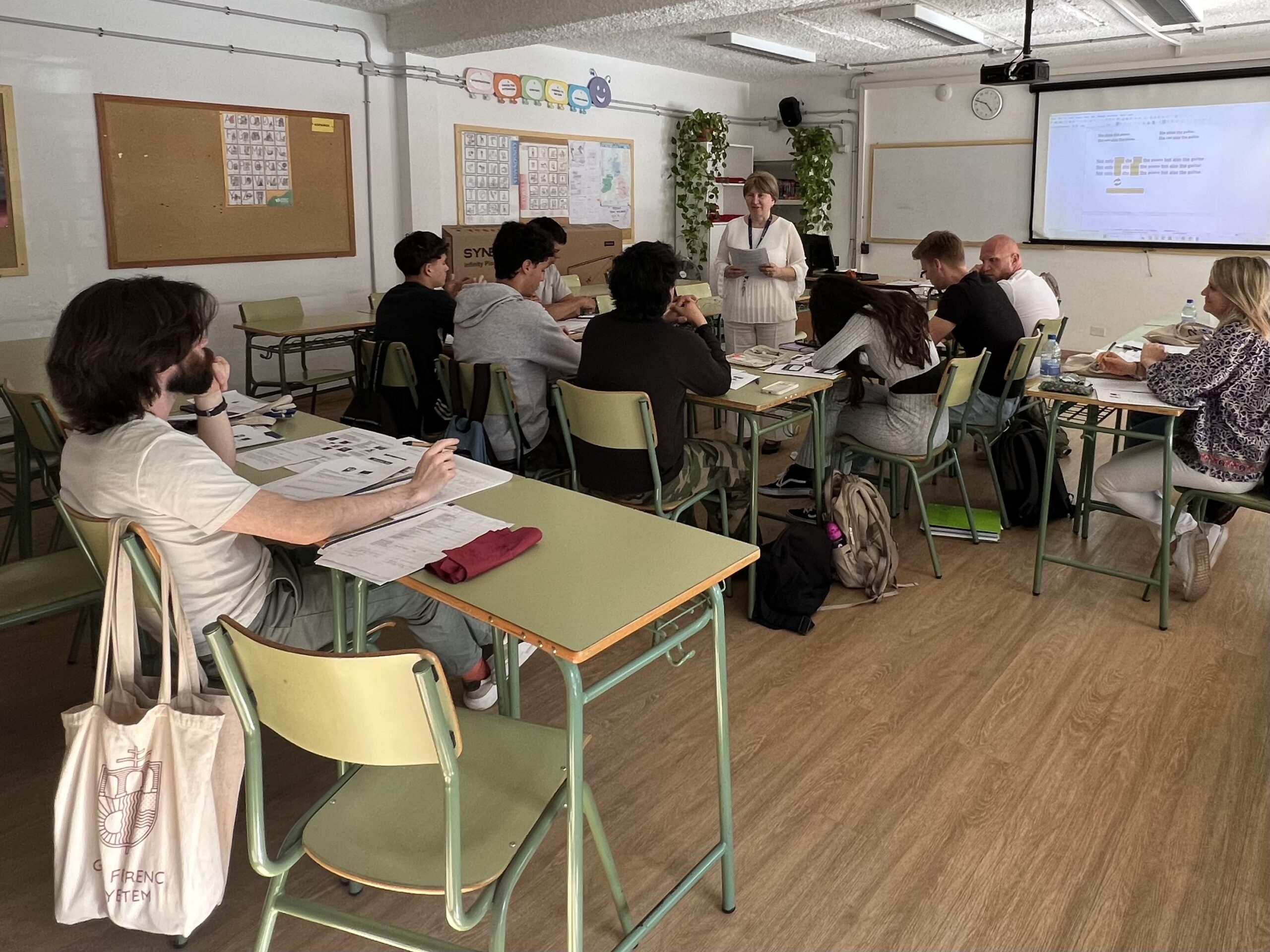
Participants were actively involved in Job Shadowing experiences through a series of language classes (English, French, German, Italian, and Spanish), where both teachers and students tested the tool in real learning environments.
The event also included dissemination activities, engaging external language teachers and European experts through workshops and presentations, promoting the project’s results and encouraging wider adoption.
A diverse group of stakeholders took part in the activity, including education managers, teachers, digital experts, and legal representatives, ensuring a collaborative and inclusive decision-making process.
As a result, partners agreed on the final structure and specifications of the Job Shadowing tool, supported by a comprehensive evaluation of its advantages and limitations. The final tool will be available in an open digital format in English and later translated and implemented by all partner organisations.
This activity strengthened cooperation among partners, supported capacity building, and contributed to the promotion of innovative, inclusive, and digital approaches in adult education. It also reinforced the value of Job Shadowing as a key practice for professional development and for improving learning opportunities for adult learners.
Fine-tuning Top
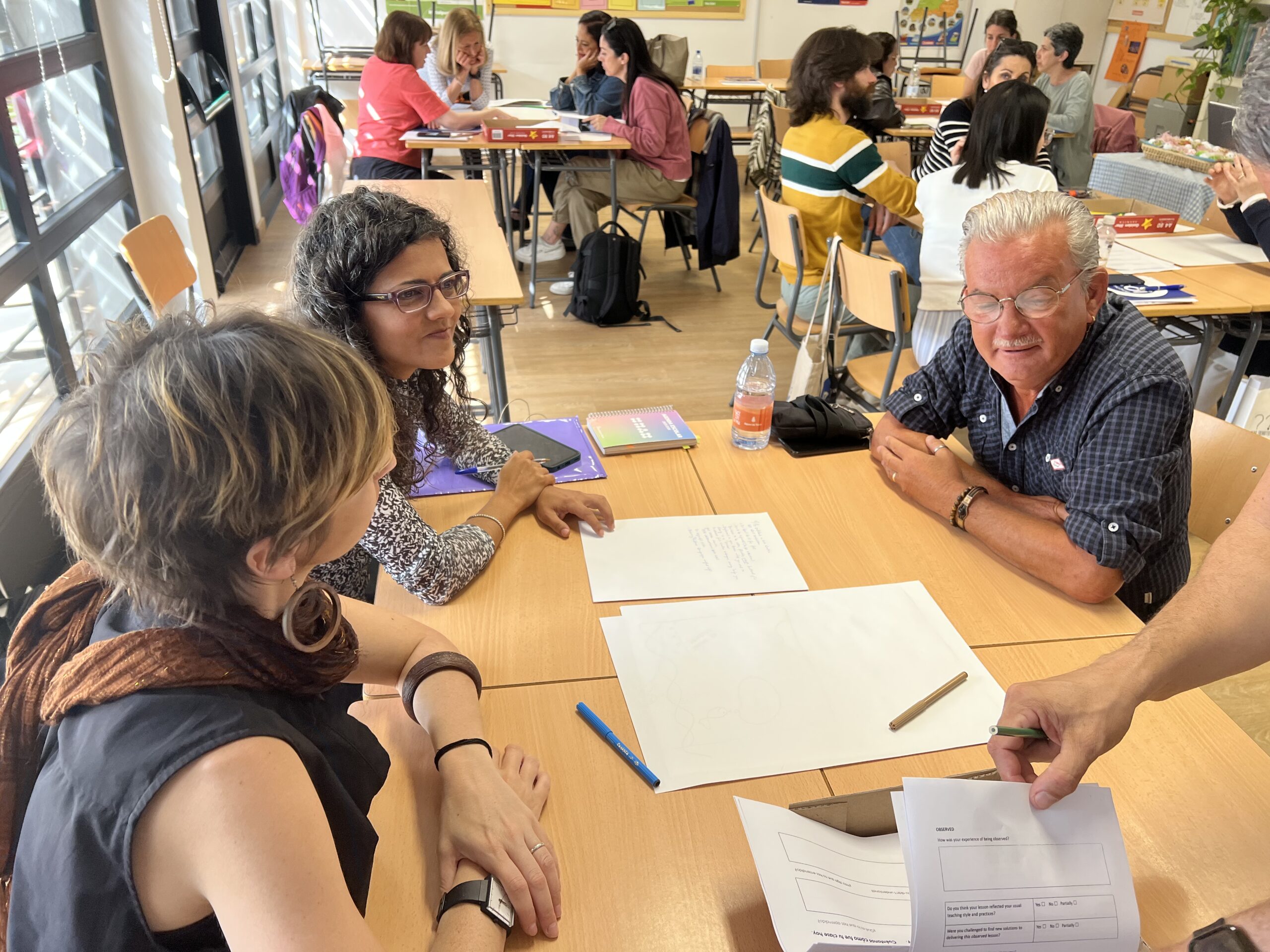
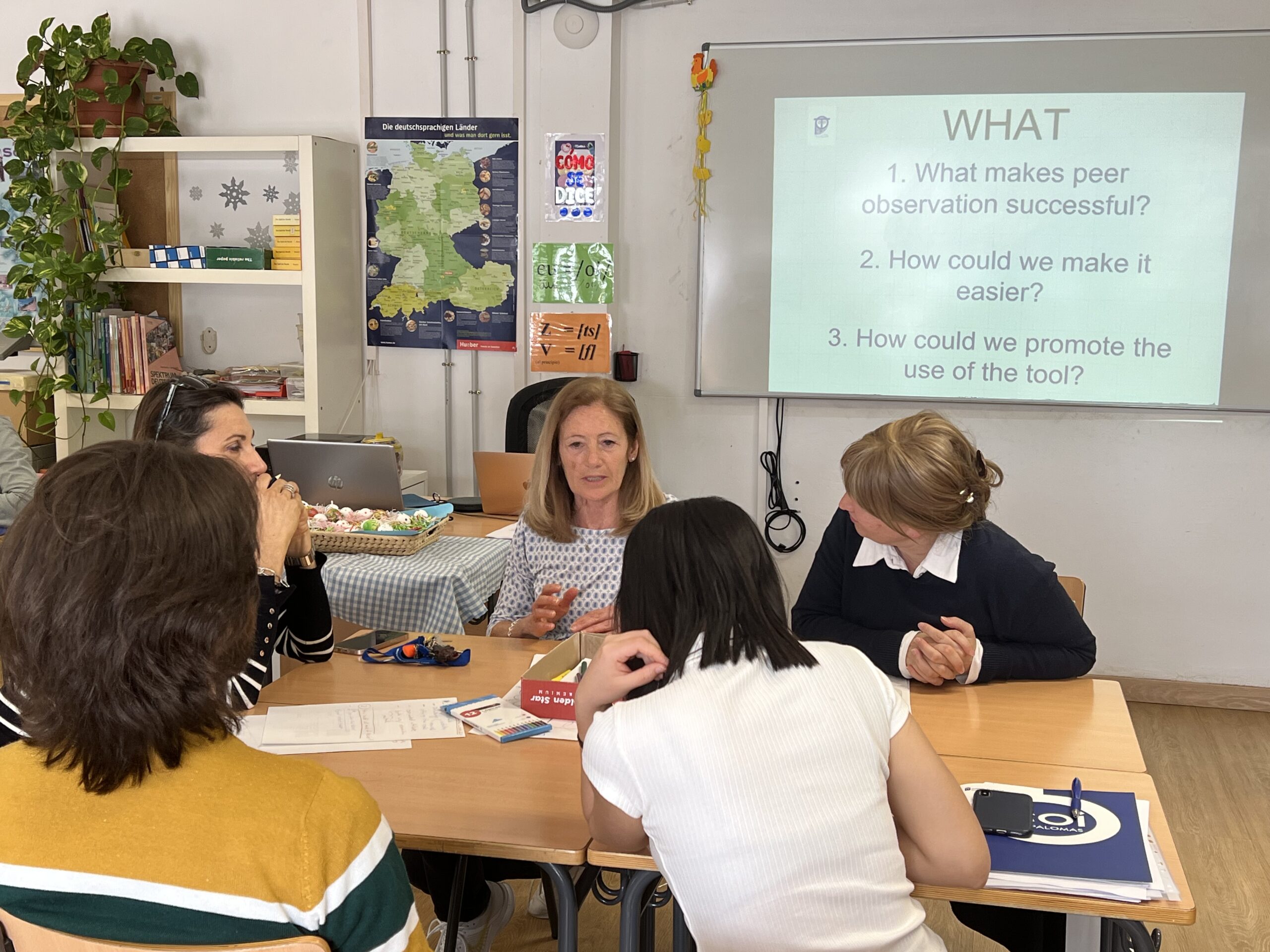
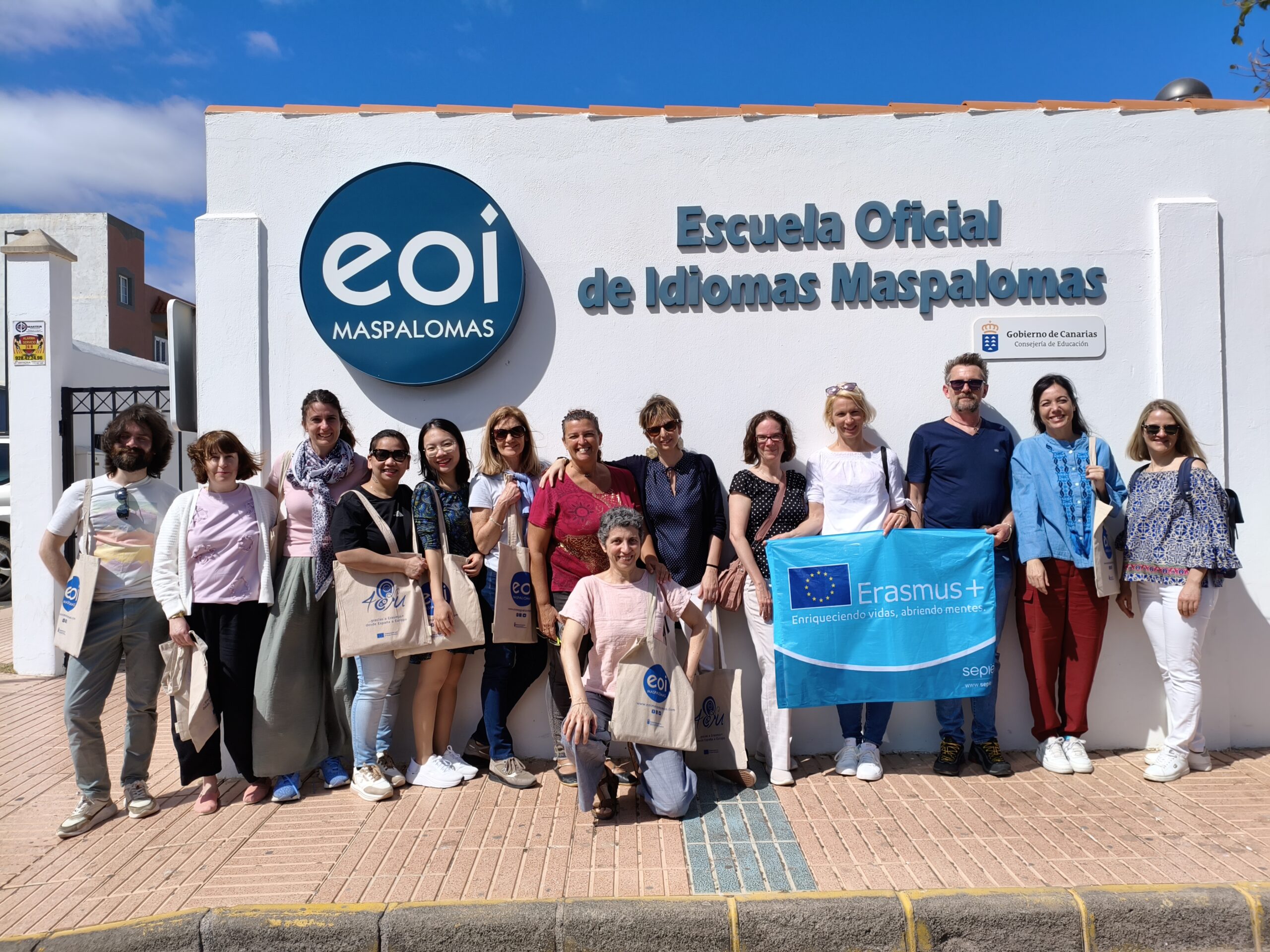
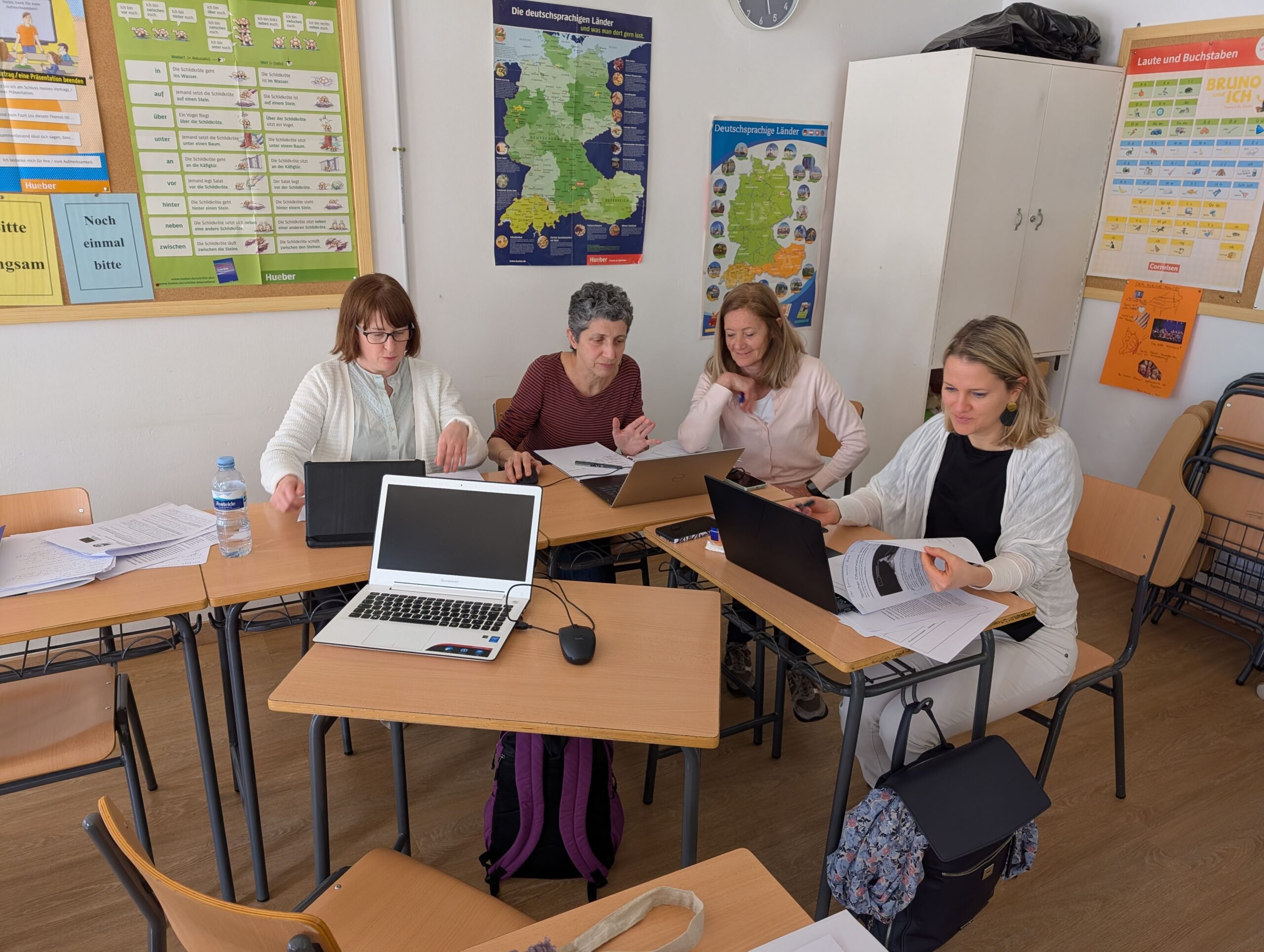
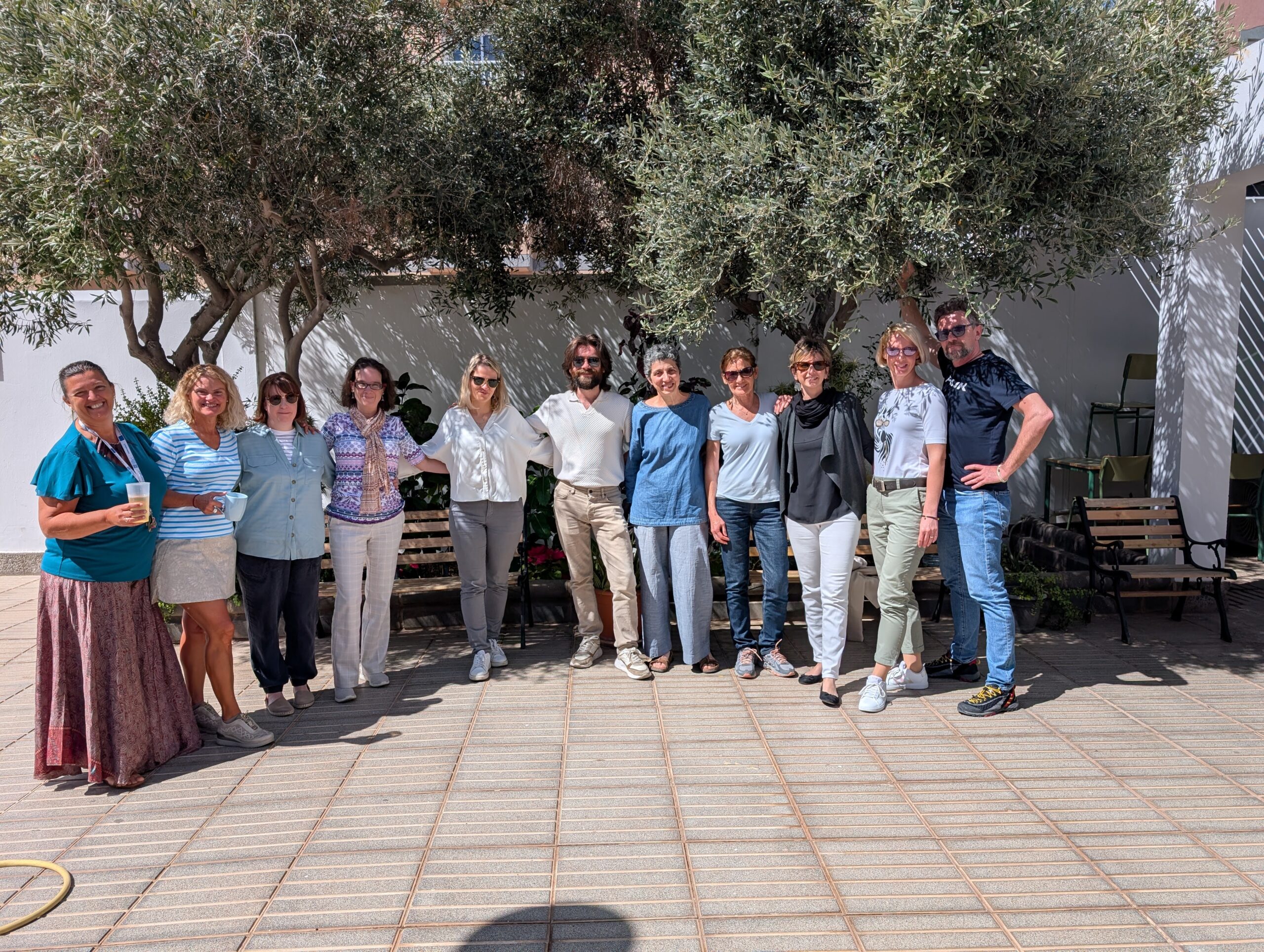
During this phase of the project, we are working together to consolidate all the decisions and outcomes achieved during the project week at EOI Maspalomas (Phase 6). The main objective is to bring together the contributions from all partners and develop the final version of the TOP assessment grid.
While the work is now continuing remotely, the partnership remains actively engaged through regular online meetings and ongoing exchanges via email. This continuous cooperation enables us to review, refine and validate the tool, ensuring that the final version reflects the shared work, feedback and decisions developed throughout the project.
This final fine-tuning phase represents an important step towards completing and consolidating the TOP assessment tool.

The final step: Milan
The final chapter of the project is just around the corner!
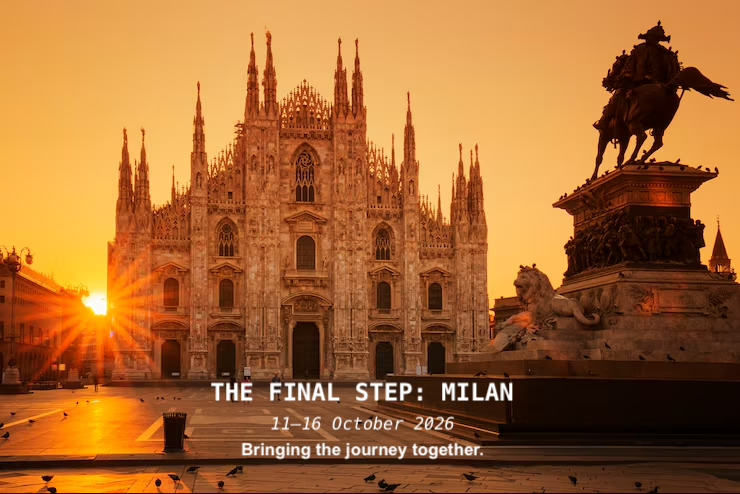
From 11 to 16 October, we will meet in Milan for the final project week — a long-awaited opportunity to come together once again, share the results of our work and celebrate the journey we have taken together.
After months of collaboration, discussions, testing and fine-tuning, we will finally present the TOP grid: the outcome of a shared process and the collective contribution of all project partners.
This final meeting in Milan will be more than just the conclusion of the project. It will be the moment to bring all our ideas, experiences and efforts together, look back at what we have achieved, and look ahead to the future of the tool we have created.
The finish line is in sight — and we are ready to cross it together!
While the work is now continuing remotely, the partnership remains actively engaged through regular online meetings and ongoing exchanges via email. This continuous cooperation enables us to review, refine and validate the tool, ensuring that the final version reflects the shared work, feedback and decisions developed throughout the project.
This final fine-tuning phase represents an important step towards completing and consolidating the TOP assessment tool.